


There is a particular category of aesthetic treatment that earns its place quietly — not through dramatic before-and-after photographs, but through the kind of consistent, cumulative improvement that patients begin to notice after their third or fourth session and cannot quite attribute to anything else. Laser Genesis sits firmly in that category. Over more than two decades of clinical use, it has accumulated a dependable body of evidence for improving skin texture, reducing facial redness, and managing acne — without the downtime or recovery period associated with more aggressive laser techniques.
This article explains what Laser Genesis is, how it works, what patients can expect during and after treatment, and how it compares with the Red Touch Pro — another well-regarded light-based device — with particular attention to the management of redness and acne-prone skin.
What Is Laser Genesis?
Laser Genesis is a non-ablative laser treatment delivered via the Cutera platform, using a long-pulsed neodymium-doped yttrium aluminium garnet (Nd:YAG) laser at a wavelength of 1064 nanometres. Non-ablative means that the surface of the skin — the epidermis — remains entirely intact throughout the procedure; no wound is created, no visible peeling occurs, and no recovery period is required.
The 1064 nm wavelength penetrates to a depth of approximately two to three millimetres, placing the energy precisely within the superficial dermis — the structural layer of skin responsible for firmness and resilience. At this depth, the laser stimulates the biological processes involved in collagen production and targets the small blood vessels that contribute to redness and uneven tone, whilst leaving the surface layer undisturbed.
The treatment requires no topical anaesthesia in most cases, and a session typically takes between 20 and 30 minutes. The vast majority of patients return immediately to their usual activities afterwards. It is, in this respect, one of the more practically convenient laser treatments available.
Laser Genesis is considered suitable across a broad range of skin tones, including medium to darker Fitzpatrick skin types — a meaningful consideration, as some light-based treatments carry a greater risk of post-inflammatory pigmentation in these groups. The 1064 nm wavelength’s depth of penetration, combined with its relatively low melanin absorption, makes it a more versatile option in this regard.
How Does Laser Genesis Work?
The treatment operates through three interconnected biological mechanisms, each of which follows from the controlled delivery of low-fluence laser energy to the superficial dermis.
Collagen Remodelling
When the dermal layer is heated within the therapeutic range produced by Laser Genesis — approximately 40 to 42 degrees Celsius — fibroblasts, the specialised cells responsible for synthesising and maintaining the skin’s structural proteins, are stimulated to increase their collagen production. Over a structured course of treatments, this results in a gradual improvement in skin density, softening of fine lines, and refinement of surface texture. These are structural changes that build over time rather than surface-level effects, and evidence from multiple prospective studies supports their clinical significance.
Vascular Targeting
The 1064 nm wavelength is selectively absorbed by oxyhaemoglobin — the molecule that gives blood its red colour — within the small vessels of the superficial dermis. When dilated or disordered capillaries are exposed to this wavelength, the energy they absorb causes controlled coagulation of the vessel wall, gradually reducing their visibility and the diffuse redness they produce at the skin’s surface. This is the mechanism principally responsible for Laser Genesis’s efficacy in rosacea and in the persistent post-inflammatory erythema that frequently follows acne.
Sebaceous and Antibacterial Effects
For patients with acne-prone skin, the thermal effect of Laser Genesis on the dermal environment has been shown in clinical studies to reduce the activity of sebaceous glands — the oil-producing structures whose overactivity contributes to acne formation. Separately, dermal heating at this depth has been associated with a reduction in Cutibacterium acnes (formerly Propionibacterium acnes), the bacterium most directly implicated in inflammatory acne. The combination of vascular, sebaceous, and antibacterial effects within a single treatment modality is one of the reasons Laser Genesis is increasingly considered in the management of acne-prone and post-acne skin.
What to Expect During Treatment
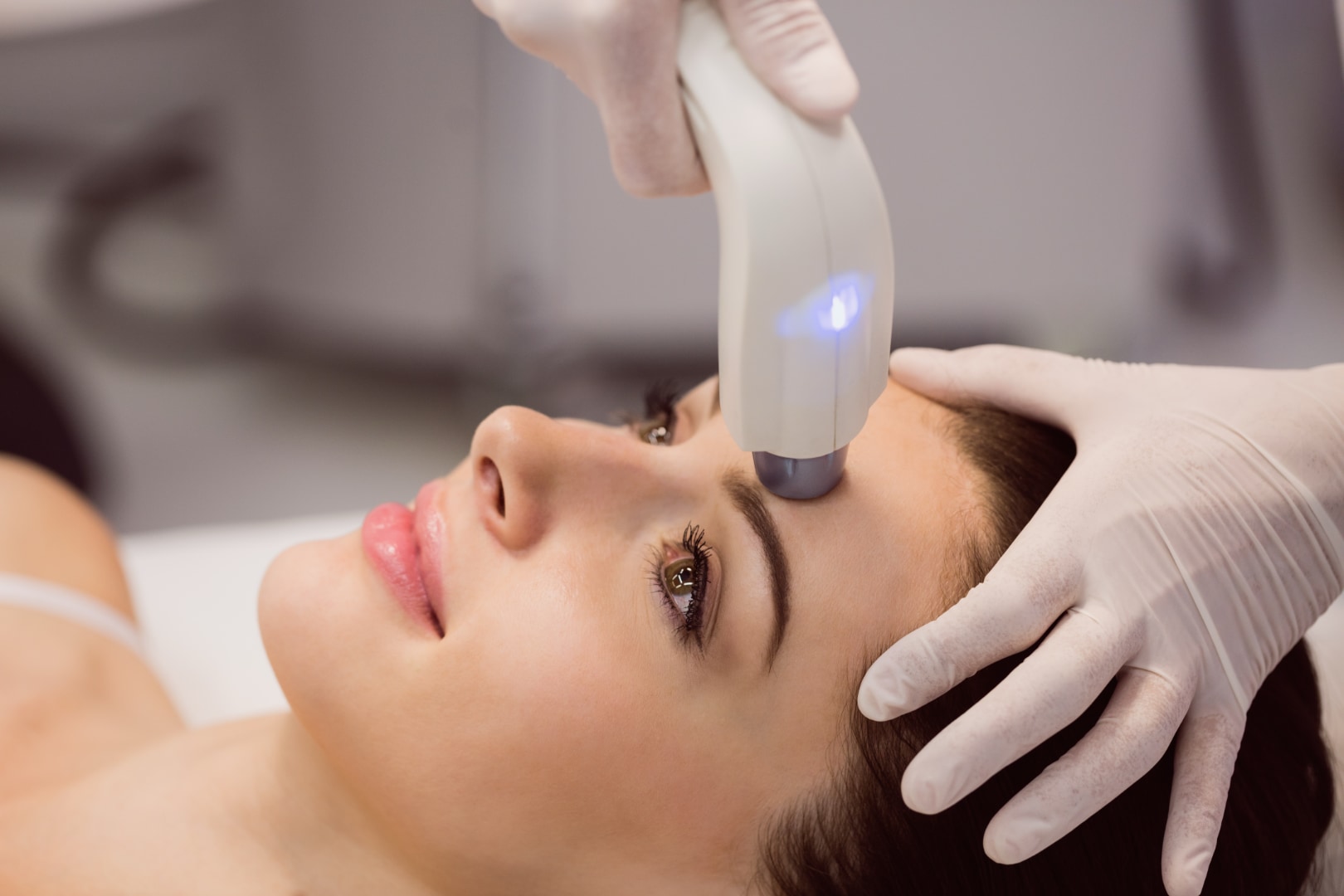
A Laser Genesis session is conducted with the patient reclining comfortably. A clinician passes the laser handpiece in smooth, continuous motions across the treatment area — most commonly the face, though the neck, décolletage, and dorsal hands may also be treated. Patients describe the sensation as a gentle, sustained warmth; a moderate level of heat is perceptible during the session, and this warmth is a clinically intentional aspect of the treatment, reflecting the controlled dermal heating that drives the biological response.
No special preparation is required beyond arriving with clean, make-up-free skin. A course of four to six sessions, spaced approximately two to four weeks apart, is typical for initial results. Improvements in redness and skin tone are often noticed from the second or third session onwards, with textural changes tending to become apparent over a longer cumulative timeframe. Maintenance sessions every two to three months are generally recommended to sustain the improvements achieved.
Laser Genesis and the Red Touch Pro: An Evidence-Led Comparison
Both Laser Genesis and the Red Touch Pro are established platforms in the field of non-invasive skin rejuvenation. They share certain clinical goals — principally collagen stimulation and improvement in skin quality — but differ substantially in how they deliver energy to the skin, and these differences in mechanism translate into differences in the patient populations and skin concerns each is particularly well suited to address.
The Red Touch Pro combines intense pulsed light (IPL) — a broadband light source spanning a range of wavelengths, typically 500 to 1200 nm — with radiofrequency (RF) energy. The photonic component targets chromophores in the skin, primarily melanin and haemoglobin, whilst the RF energy provides deeper thermal stimulation. Used together, the two energy sources aim to achieve skin rejuvenation with a degree of lift and textural improvement that broadband light alone does not consistently produce.
Laser Genesis, by contrast, uses a precisely defined single wavelength of 1064 nm. This specificity is the foundation of much of its clinical profile.
Collagen Stimulation
Both technologies stimulate collagen production through controlled thermal delivery to the dermis. Laser Genesis achieves this through the consistent, reproducible heating produced by a single wavelength at a defined tissue depth. The Red Touch Pro’s RF component adds a degree of deeper thermal induction that can complement the photonic effect and, in some cases, produce a comparable or additive impact on dermal remodelling. For patients whose primary concern is skin texture and early collagen loss, both platforms represent clinically reasonable options, and the available comparative literature does not definitively favour one over the other for collagen outcomes alone.
Redness and Diffuse Erythema
The management of facial redness — whether due to rosacea, post-inflammatory erythema, or generalised telangiectasia — is an area where the two technologies differ more meaningfully, and where the clinical literature more consistently supports the Nd:YAG approach.
The 1064 nm wavelength falls within the absorption spectrum of oxyhaemoglobin at a depth that corresponds directly to the capillary beds responsible for diffuse facial redness. The energy is delivered selectively, with minimal thermal spread to surrounding tissue. Multiple controlled studies of long-pulsed Nd:YAG treatment have demonstrated statistically significant reductions in erythema scores and improvements in rosacea severity, and the technology is recognised in dermatological guidelines as a well-evidenced option for vascular skin concerns.
IPL devices, including the Red Touch Pro, can address vascular irregularities — and are clinically effective for discrete telangiectasia in particular. However, because IPL distributes energy across a broad wavelength range rather than targeting a single chromophore, its selectivity for diffuse haemoglobin absorption is inherently less precise. For patients with diffuse redness or rosacea, particularly those with medium to darker skin tones where precise energy targeting is more important, the single-wavelength approach of Laser Genesis tends to offer more predictable outcomes and a more favourable risk profile.
Acne-Prone Skin
For patients seeking support with acne or post-acne skin, the evidence again tends to favour Laser Genesis. The combination of vascular targeting, sebaceous suppression, and reduction in bacterial load — all produced within a single treatment modality and a single session — addresses several of the underlying mechanisms of inflammatory acne simultaneously. This is something that RF-based thermal induction alone does not replicate with the same degree of specificity. The Red Touch Pro’s photonic component can provide some benefit for inflammatory lesions, but its mechanism is less directly aligned with the pathophysiology of acne than the multi-pathway action of the long-pulsed Nd:YAG.
It is worth noting that acne is a multifactorial condition, and laser treatment — whether Laser Genesis or any other modality — is most effective as part of a broader management plan developed with a clinician. The role of any device in acne care should be discussed in the context of the individual’s skin type, acne severity, and treatment history.
Skin Tone Considerations
One practical difference between the two platforms is the range of skin tones they are suited to treat. The 1064 nm wavelength’s low melanin absorption means that Laser Genesis can be used with a degree of safety across Fitzpatrick types I to VI, including medium and darker skin tones that may be more susceptible to adverse pigmentary effects from broadband light sources. IPL-based devices, including the Red Touch Pro, are generally considered most appropriate for Fitzpatrick types I to III, where the lower melanin concentration reduces the risk of unwanted epidermal heating. This is a meaningful clinical consideration for patients with darker skin, and for a clinic serving a diverse international clientele in Bangkok, it bears directly on candidacy assessment.
Safety Considerations
Laser Genesis has a well-established safety profile that has been documented across multiple skin types and ethnicities over more than two decades of clinical use. The most common response following treatment is a mild, temporary pinkness or warmth in the treated area, which typically resolves within one to two hours. More sustained redness, localised swelling, or superficial crusting is uncommon when the device is used with appropriate clinical parameters and skilled technique.

Blistering or pigmentary changes are rare adverse events and are most commonly associated with incorrect device settings, inadequate cooling, or treatment of contraindicated patients. A thorough pre-treatment assessment by an experienced clinician is the most important safeguard against adverse outcomes.
The following contraindications should be discussed with a clinician prior to treatment:
- Active skin infection, open wounds, or inflammatory skin disease within the treatment area
- Use of photosensitising medications, including certain antibiotics, diuretics, and topical or oral retinoids
- Recent significant sun exposure, active tan, or sunburn
- Pregnancy
- Personal history of keloid or hypertrophic scarring
- Active oral isotretinoin use, or within the preceding six months
Patients with a known history of recurrent herpes simplex labialis should discuss prophylactic antiviral cover with their clinician before undergoing any laser procedure in or around the perioral area.
Consistent sun protection is essential throughout any course of laser treatment. A broad-spectrum SPF 50 sunscreen should be applied daily, without exception, from the first session through to the completion of treatment — and maintained as an ongoing practice thereafter.
Key Characteristics at a Glance
The table below summarises the principal characteristics of Laser Genesis and the Red Touch Pro across the most clinically relevant parameters. Individual suitability depends on a range of factors specific to each patient; the table is intended as a reference to support informed discussion rather than a basis for self-selection.
| Characteristic | Laser Genesis · Nd:YAG 1064 nm | Red Touch Pro · IPL + RF |
|---|---|---|
| Energy type | Single-wavelength infrared laser | Broadband light + radiofrequency |
| Primary mechanism | Controlled dermal heating via 1064 nm photons | Photonic chromophore targeting + RF thermal induction |
| Treatment depth | ~2–3 mm (superficial dermis) | Variable; IPL superficial, RF deeper |
| Collagen stimulation | Consistent fibroblast activation through dermal heating | Comparable remodelling; RF component adds depth |
| Vascular and redness concerns | Precise haemoglobin absorption at 1064 nm; well-documented for rosacea and diffuse erythema | Effective for discrete vessels; broadband energy less selective for diffuse redness |
| Acne and sebaceous concerns | Addresses vasculature, bacterial load, and sebaceous activity simultaneously | Some thermal effect on sebaceous tissue; less direct antibacterial action |
| Skin tone suitability | Fitzpatrick I–VI; particularly suitable for medium to darker tones | Generally best suited to Fitzpatrick I–III |
| Typical downtime | None to minimal | None to minimal |
| Session duration | 20–30 minutes | 20–40 minutes |
A qualified clinician will advise on the most appropriate treatment approach — or combination of approaches — based on a thorough assessment of skin type, presenting concerns, and individual treatment goals.
Frequently Asked Questions
How many sessions will I need?
For most patients, a structured course of four to six sessions spaced two to four weeks apart is recommended to achieve initial results. Conditions such as rosacea or persistent post-acne redness may benefit from additional sessions. Maintenance treatments every two to three months help to sustain the improvements over time, and a clinician will advise on the most appropriate schedule based on individual response.
Is the treatment painful?
Laser Genesis is widely described as comfortable. Most patients are aware of a sustained warmth throughout the session — this is an expected and intentional aspect of the treatment. Topical anaesthesia is not routinely required.
Is Laser Genesis suitable for my skin tone?
Laser Genesis is considered appropriate across a wide range of skin tones, including Fitzpatrick types IV to VI, which may be less suited to certain other light-based treatments. A thorough skin assessment prior to treatment is essential to confirm individual suitability and optimise parameters for your specific skin type.
When will I start to see results?
Some patients notice an improvement in skin luminosity and tone within a few days of their first session. More substantive changes — particularly in redness, collagen quality, and acne — typically become apparent from the second or third session, with continued improvement in the weeks following each treatment as the skin’s biological response matures.
Can it be combined with other treatments?
In many cases, yes. Laser Genesis may be sequenced alongside medical-grade peels, microneedling, or injectable treatments as part of a broader treatment plan. Your clinician will advise on appropriate timing and sequencing based on your individual skin condition and goals.
Will my skin look red or swollen after the session?
Mild, transient pinkness in the first one to two hours after treatment is a normal physiological response and typically resolves without any intervention. Significant or prolonged redness and swelling are uncommon. The great majority of patients feel comfortable returning to work or social activities immediately after their appointment.
How does Laser Genesis compare to Red Touch Pro — which is right for me?
Both are well-regarded platforms for skin rejuvenation, and the most appropriate choice depends on your individual skin concerns, skin tone, and treatment history. Evidence suggests that Laser Genesis is particularly well suited to the management of diffuse redness, rosacea, and acne-prone skin, particularly across a wider range of skin tones. The Red Touch Pro may be preferred for patients with a different set of concerns or where a combined photonic and RF approach is clinically indicated. A consultation with an experienced clinician is the most reliable way to determine which option — or which combination — is best aligned with your skin’s needs.
How should I care for my skin after each session?
Gentle cleansing and a simple, fragrance-free moisturiser are appropriate in the days following treatment. Avoid deliberate sun exposure and apply a broad-spectrum SPF 50 sunscreen daily — this is essential, not optional, throughout any course of laser treatment. Your clinician will provide specific aftercare guidance at your appointment.
In Summary
Laser Genesis is a well-established, non-ablative laser treatment with a consistent and evidence-supported record in the management of facial redness, acne-prone skin, and early collagen decline. Its 1064 nm wavelength offers a degree of precision for vascular and sebaceous targeting that distinguishes it within the field of non-invasive skin rejuvenation, and its suitability across a broad range of skin tones makes it a clinically versatile option.
For patients managing redness, rosacea, or acne as primary concerns, evidence tends to support the long-pulsed Nd:YAG approach. For those whose goals centre primarily on collagen stimulation and general rejuvenation, both Laser Genesis and the Red Touch Pro offer clinically reasonable pathways, and the most appropriate choice will depend on individual skin characteristics and treatment history.
A consultation with a qualified clinician ensures that treatment parameters, session frequency, and any complementary interventions are carefully matched to your skin’s individual needs and your personal treatment objectives — and that any decision is made with the benefit of a thorough clinical assessment.
References
1. Alam M, Voravutinon N, Warycha M, et al. Comparative effectiveness of nonpurpuric pulsed dye laser and microsecond Nd:YAG laser for diffuse facial redness: a double-blind randomised controlled trial. J Am Acad Dermatol. 2013;69(4):616–620.
2. Dierickx CC. The role of deep heating for noninvasive skin rejuvenation. Lasers Surg Med. 2006;38(9):799–807.
3. Jih MH, Kimyai-Asadi A. Laser treatment of acne vulgaris. Semin Plast Surg. 2007;21(3):167–174.
4. Karsai S, Roos S, Hammes S, Raulin C. Pulsed dye laser: what’s new in non-vascular lesions? J Eur Acad Dermatol Venereol. 2007;21(7):877–890.
5. Munavalli GS, Weiss RA. Evidence for laser- and light-based treatment of acne vulgaris. Semin Cutan Med Surg. 2008;27(3):207–211.
6. Lim AC, Tham SN. Use of the 1064-nm long-pulsed Nd:YAG laser in the treatment of facial telangiectases. Dermatol Surg. 1997;23(10):905–908.
7. Wat H, Wu DC, Rao J, Goldman MP. Application of intense pulsed light in the treatment of dermatologic disease: a systematic review. Dermatol Surg. 2014;40(4):359–377.
8. Bitter PH. Noninvasive rejuvenation of photodamaged skin using serial, full-face intense pulsed light treatments. Dermatol Surg. 2000;26(9):835–842.
9. Tanzi EL, Lupton JR, Alster TS. Lasers in dermatology: four decades of progress. J Am Acad Dermatol. 2003;49(1):1–34.
10. Gold MH, Bell MW, Foster TD, Street S. Long-term epidermal and follicular effects of high-energy, long-pulse 1064-nm neodymium:YAG laser on various skin types. J Clin Aesthet Dermatol. 2009;2(6):30–35.
11. Polder KD, Bruce S. Treatment of melasma using a novel 1,927-nm fractional thulium fiber laser. Dermatol Surg. 2012;38(7):1019–1026.
12. Wanner M. Laser hair removal. Dermatol Ther. 2005;18(3):209–216.