


Turmeric has coloured kitchens, textiles, and traditional medicine across Asia for more than four thousand years. Yet it is only in the past two decades that Western science has turned its full attention to the molecule responsible for that distinctive golden hue — curcumin — and begun to appreciate just how remarkable its pharmacological profile truly is. A growing body of peer-reviewed research has identified curcumin as one of the most extensively studied natural compounds in modern medicine, with properties spanning anti-inflammatory, antioxidant, neuroprotective, and cardiovascular domains. The challenge has never been what curcumin can do. The challenge has always been getting enough of it into the body to matter.
Intravenous (IV) curcumin infusion offers a clinically compelling solution. By delivering a concentrated, liposomal form of curcumin directly into the bloodstream, this approach bypasses the significant absorptive limitations of oral supplementation — opening the door to systemic effects that capsules and powders simply cannot match.
What Is Curcumin?
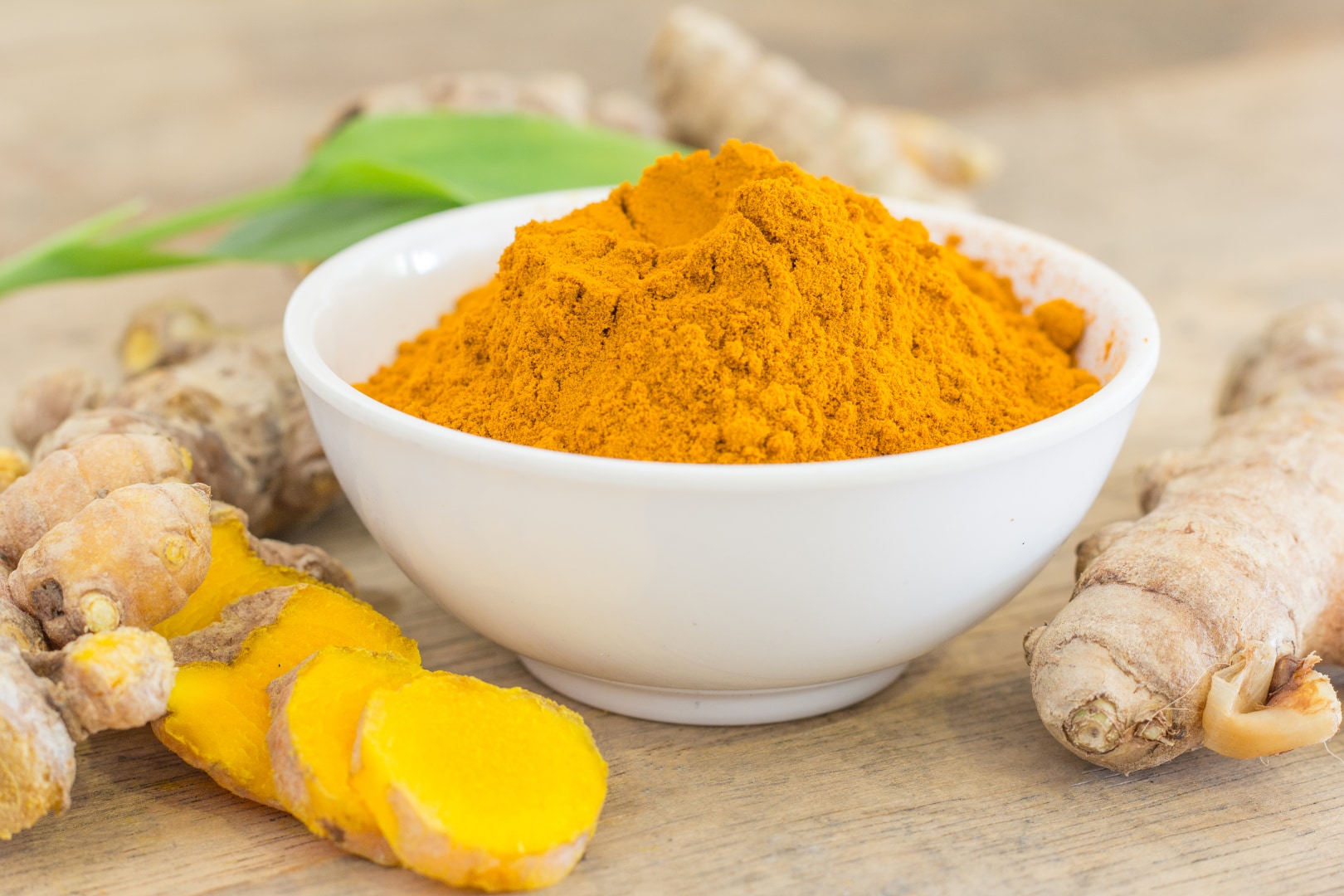
Curcumin is the principal bioactive polyphenol found within the rhizome (root) of Curcuma longa, the turmeric plant. Polyphenols are a broad class of naturally occurring plant compounds characterised by their multiple phenol groups — the chemical structures responsible for many of their biological effects. Curcumin constitutes roughly 2–5% of dried turmeric by weight and accounts for its vivid yellow-orange pigmentation.
In Ayurvedic tradition — the ancient Indian system of medicine — turmeric has long been prescribed for conditions ranging from digestive disorders to joint pain and wound healing. Chinese herbal medicine has similarly employed it for centuries. Contemporary science has since validated many of these applications at a molecular level, establishing curcumin as a pleiotropic molecule: one that interacts with numerous biological targets simultaneously, influencing multiple pathways relevant to inflammation, ageing, and chronic disease.
Chemically, curcumin is known as diferuloylmethane — a name that reflects its structure as two ferulic acid units joined by a methane bridge. It is this configuration, with its reactive hydroxyl groups, that underlies much of its antioxidant potency. Curcumin is fat-soluble (hydrophobic) and essentially insoluble in water, a characteristic that has both pharmacological implications and significant practical consequences for how it is best delivered.
The Bioavailability Problem — and Why Intravenous Delivery Changes Everything
Despite its impressive pharmacological profile in laboratory and clinical settings, curcumin presents a fundamental practical limitation: extremely poor oral bioavailability. Bioavailability refers to the proportion of a substance that actually reaches systemic circulation following administration. For oral curcumin, this figure is remarkably low.
The reasons are multiple. Curcumin is hydrophobic, meaning it resists dissolution in the watery environment of the gastrointestinal tract and is consequently poorly absorbed across the gut wall. What little is absorbed is subject to rapid metabolism in both the intestinal mucosa and the liver — a process known as first-pass metabolism — resulting in very low concentrations reaching the bloodstream. Research has indicated that up to 90% of orally ingested curcumin may be metabolised within minutes of absorption, and the plasma concentrations achieved through standard oral supplementation are generally considered insufficient for meaningful systemic effect.
Intravenous delivery circumvents this limitation entirely. By introducing curcumin directly into the bloodstream, bypassing the gastrointestinal tract and hepatic first-pass metabolism, plasma concentrations can be achieved that would be unattainable through any oral route. Clinical pharmacokinetic studies of liposomal intravenous curcumin have confirmed stable and substantially elevated plasma concentrations during infusion — a meaningful advance over any oral preparation.
The liposomal formulation is central to this approach. Liposomes are tiny, spherical structures composed of phospholipids — the same materials that form human cell membranes. Encapsulating curcumin within these vesicles protects the molecule from rapid degradation, improves its stability in an aqueous environment, and facilitates cellular uptake. The result is a delivery system that is considerably more clinically relevant than standard curcumin preparations.
How Curcumin Works in the Body
Curcumin’s effects are not the result of a single targeted action. It operates through multiple interconnected pathways — a property that makes it particularly well-suited to addressing the complex, multi-factorial nature of chronic inflammation and oxidative ageing.
Anti-Inflammatory Action
Curcumin’s best-documented and most clinically significant action is its modulation of inflammatory signalling. At the molecular level, its principal target is nuclear factor kappa B (NF-κB) — a protein complex that functions as a master switch for inflammation within the body. When NF-κB is activated, it drives the production of pro-inflammatory cytokines, including interleukin-6 (IL-6), tumour necrosis factor-alpha (TNF-α), and interleukin-1β. In acute illness or injury, this response is protective and necessary. However, chronic overactivation of NF-κB — as occurs in persistent low-grade inflammation associated with ageing, obesity, and chronic disease — is linked to a wide spectrum of conditions, from joint disorders to cardiovascular disease and neurodegeneration.
Curcumin suppresses NF-κB activation by preventing the degradation of its inhibitory protein (IκBα), thereby preventing the inflammatory cascade from gaining momentum. It additionally inhibits cyclooxygenase-2 (COX-2) and inducible nitric oxide synthase (iNOS) — two enzymes heavily implicated in inflammatory pain and tissue injury. Umbrella meta-analyses of randomised clinical trials have reported that curcumin supplementation is associated with meaningful reductions in circulating inflammatory biomarkers, including C-reactive protein (CRP), IL-6, and TNF-α.
Antioxidant Defence
Reactive oxygen species (ROS) — unstable molecules generated as a natural by-product of cellular metabolism — accumulate progressively with age and are a primary driver of cellular damage, accelerated ageing, and chronic disease. Curcumin addresses oxidative stress through two distinct but complementary mechanisms.
First, it acts as a direct free radical scavenger: its phenolic hydroxyl groups neutralise ROS through direct chemical interaction. Second, and perhaps more significantly from a therapeutic perspective, curcumin activates the Nrf2 (nuclear factor erythroid 2-related factor 2) pathway — a key transcription factor that governs the expression of the body’s own protective antioxidant enzymes. These include haem oxygenase-1 (HO-1), NAD(P)H quinone oxidoreductase-1 (NQO1), and the body’s master antioxidant, glutathione. By upregulating these intrinsic defence systems, curcumin offers a more sustainable and physiologically integrated approach to managing oxidative burden than simply providing an external antioxidant supply.
Neuroprotective Properties
Neuroinflammation — inflammation within the brain and central nervous system — is increasingly recognised as a significant contributor to neurodegenerative conditions including Alzheimer’s disease and Parkinson’s disease, as well as the more subtle cognitive decline associated with normal ageing. Curcumin has attracted considerable scientific interest in this context for several reasons.
By suppressing NF-κB-mediated neuroinflammation and reducing pro-inflammatory cytokine levels in the central nervous system, curcumin may help mitigate the inflammatory environment that promotes neuronal damage. Research also suggests it may modulate the aggregation of amyloid-beta peptides — the protein fragments whose accumulation is a hallmark feature of Alzheimer’s disease. Additionally, curcumin has been found to upregulate brain-derived neurotrophic factor (BDNF), a protein essential for neuronal survival, plasticity, and the formation of new synaptic connections. The improved systemic availability achieved through intravenous administration makes translation of these preclinical findings considerably more plausible than with oral supplementation.
Cardiovascular and Metabolic Support
Oxidative stress and chronic inflammation are central to the pathophysiology of atherosclerosis — the progressive narrowing and hardening of arterial walls that underlies most cardiovascular disease. Curcumin’s dual modulation of the NF-κB and Nrf2 pathways positions it as a candidate for cardiovascular support, with evidence from clinical trials indicating potential benefits across several relevant parameters. These include favourable effects on endothelial function, reductions in circulating inflammatory markers such as CRP, and improvements in lipid peroxidation — a measure of oxidative damage to fats in the bloodstream. Curcumin has also been associated with modulation of vascular cell adhesion molecules involved in the early stages of plaque formation, suggesting a meaningful role in supporting long-term cardiovascular resilience.
Gut Health and the Microbiome
Emerging research has explored curcumin’s relationship with the gut microbiome — the complex community of microorganisms inhabiting the gastrointestinal tract that exerts far-reaching influence on immune function, mood, and systemic inflammation. Evidence suggests that curcumin may modulate the composition of the gut microbiota in ways that support the production of short-chain fatty acids, reduce intestinal permeability, and dampen gut-driven systemic inflammation. Clinical studies have reported benefits in conditions associated with gut inflammation, including Crohn’s disease and ulcerative colitis. Whilst IV delivery bypasses the gut directly, the systemic anti-inflammatory effects achieved through intravenous administration may indirectly support mucosal health over time.
What to Expect During Treatment

The procedure itself is straightforward and conducted in a calm clinical setting. Prior to commencing treatment, a qualified practitioner will review your medical history, current medications, and health objectives to confirm that IV curcumin infusion is appropriate for you.
On the day of the infusion, a small intravenous cannula — a fine, flexible tube — is placed in a vein, typically on the forearm or the back of the hand. The liposomal curcumin solution is then administered slowly over approximately 60 to 120 minutes, depending on the protocol. The clinical team will remain available throughout the session, monitoring for any unexpected reactions.
Most individuals find the experience comfortable. A mild sensation of warmth, a gentle flush, or a transient tingling may occur during the infusion — these responses are generally well tolerated and resolve without intervention. Some patients describe a subtle taste or sensation in the mouth during the session, which is similarly transient. You are welcome to read, listen to music, or simply rest.
Results are rarely instantaneous following a single session. A considered course of treatment, with sessions spaced appropriately over a number of weeks, typically yields the most meaningful and sustained outcomes. Your clinician will recommend an individualised protocol based on your specific circumstances and objectives.
Who May Benefit?
IV curcumin infusion may be of particular relevance to individuals presenting with one or more of the following:
- Persistent or chronic low-grade inflammation, including inflammatory joint conditions such as osteoarthritis or rheumatoid arthritis
- Elevated circulating inflammatory markers — such as CRP or ESR — identified through laboratory testing
- Significant fatigue or reduced vitality that may be associated with oxidative stress and systemic inflammation
- A proactive interest in neuroprotective strategies as part of a broader anti-ageing or cognitive wellness programme
- Cardiovascular risk factors including elevated inflammatory markers or early endothelial dysfunction
- Individuals who have trialled oral curcumin supplementation without satisfactory benefit, owing to the well-documented limitations of oral bioavailability
- Those seeking integrative support alongside conventional medical treatment — always with the knowledge and agreement of their treating physicians
IV curcumin infusion is most effectively considered within the context of a personalised, evidence-informed approach to health and longevity. Diet, sleep, physical activity, and other lifestyle factors remain foundational, and IV therapy serves as a meaningful complement rather than a substitute for these.
Safety Considerations and Contraindications
Curcumin delivered intravenously has been evaluated in clinical studies across a range of doses and patient populations. Within appropriate dose ranges and with proper clinical oversight, it has demonstrated a generally favourable safety profile. A thorough medical assessment is always conducted before any treatment is offered.
Potential Side Effects
Side effects associated with IV curcumin are generally mild and transient, and may include:
- Mild burning or discomfort at the infusion site
- Transient nausea, typically resolving during or shortly after the infusion
- Skin flushing or a mild, temporary rash
- Tingling or numbness in the extremities or mouth during infusion
- As with all intravenous procedures, a small risk of bruising, inflammation, or fluid leakage (infiltration) at the cannula site
Serious adverse events are uncommon. Phase 1 clinical studies have identified a dose-related risk of changes to red blood cell morphology at higher doses — a finding that underscores the importance of treatment within clinically established dose ranges under qualified medical supervision.
Contraindications and Precautions
The following groups should exercise particular caution, and treatment may be deferred, modified, or declined following individual assessment:
- Individuals taking anticoagulant medications — such as warfarin, heparin, or novel oral anticoagulants (NOACs) — as curcumin may potentiate their blood-thinning effects
- Those with known or suspected gallbladder disease, including gallstones or bile duct obstruction, as curcumin stimulates bile production
- Individuals with significantly impaired kidney or liver function
- Patients with a documented allergy or sensitivity to curcumin, turmeric, or related compounds
- Pregnant or breastfeeding individuals
- Those with active haematological conditions or haemolytic anaemia
- Patients currently receiving chemotherapy or other scheduled oncological treatment — coordination with the oncology team is essential before commencing any complementary IV therapy
A full medication and supplement review is conducted at the pre-treatment consultation. Transparency about your health status is essential to ensuring that treatment is safe and appropriately tailored.
Summary at a Glance
| Feature | Details |
|---|---|
| Active compound | Curcumin (diferuloylmethane) — principal polyphenol of Curcuma longa (turmeric) |
| Formulation | Liposomal; curcumin encapsulated in phospholipid vesicles for plasma stability |
| Administration route | Intravenous infusion, bypassing gastrointestinal metabolism entirely |
| Session duration | Approximately 60–120 minutes per session |
| Key mechanisms | NF-κB inhibition · Nrf2/HO-1 activation · COX-2 and iNOS suppression |
| Primary benefits | Anti-inflammatory, antioxidant, neuroprotective, cardiovascular support |
| Common side effects | Mild infusion-site discomfort, transient nausea, flushing, tingling |
| Key cautions | Anticoagulants · gallbladder disease · impaired renal/hepatic function · pregnancy |
Individual protocols, session frequency, and clinical indications are determined on a case-by-case basis and should be discussed in full during your initial consultation.
Frequently Asked Questions
Is curcumin simply the same thing as turmeric?
Turmeric and curcumin are related but not synonymous. Turmeric is the whole dried root of Curcuma longa and contains a complex mixture of compounds, of which curcumin is only one — constituting roughly 2–5% by weight. The IV formulation used at Blooming Clinic contains purified, concentrated curcumin in a liposomal preparation; this is a considerably more targeted approach than cooking with turmeric or taking a general turmeric supplement.
Why not simply take a high-strength oral curcumin supplement?
Oral curcumin — even in enhanced or piperine-containing formulations — remains subject to the significant absorptive limitations of the gastrointestinal tract and rapid hepatic metabolism. The plasma concentrations achievable through oral supplementation are substantially lower than those attained via intravenous delivery. For individuals seeking a meaningful systemic effect, IV administration is a considerably more reliable route.
How many sessions will I need, and how often?
There is no universal protocol, as individual needs vary considerably. Your practitioner will recommend a course based on your health objectives, laboratory findings, and clinical history. Many patients benefit from an initial course of sessions spaced over several weeks, followed by a maintenance schedule. This will be discussed in detail at your initial consultation.
Is the infusion painful?
Cannula placement involves a brief moment of discomfort — comparable to a standard blood test — but is generally well tolerated. The infusion itself is not painful. Some patients notice a mild warmth, gentle flushing, or a transient tingling during the session. These sensations are typically short-lived and do not require intervention. Please let the clinical team know immediately if you experience anything that concerns you.
Can I continue my usual medications during the treatment course?
This must be assessed individually. Curcumin is known to interact with anticoagulant medications in particular, and may affect the metabolism of certain other drugs. A full medication and supplement review is conducted at the pre-treatment consultation, and your practitioner will advise accordingly. It is essential that you disclose all medications — including over-the-counter preparations and supplements — in full.
How soon will I notice a difference?
Individual responses vary. Some patients report a subjective sense of improved energy or reduced discomfort within a day or two of a session; others find that benefits accumulate gradually over a course of treatment. Where inflammatory markers are being monitored through blood tests, measurable changes may take several weeks to become apparent. Your practitioner will discuss realistic expectations based on your specific situation.
Is this treatment suitable during pregnancy?
No. IV curcumin infusion is not recommended during pregnancy or breastfeeding. Please inform your practitioner before any consultation or treatment if this applies to you.
How does curcumin IV infusion fit within a broader wellness programme?
IV curcumin infusion is best understood as one component of an integrated approach to health and longevity — not a standalone solution. At Blooming Clinic, it is often considered alongside other evidence-informed interventions, including nutritional assessment, complementary IV therapies, and personalised lifestyle guidance. The clinical team will be happy to discuss how curcumin infusion might complement your broader wellness objectives during your consultation.
In Closing
Curcumin IV infusion represents a thoughtful convergence of millennia-old botanical wisdom and contemporary pharmacological science. By resolving one of the molecule’s most fundamental clinical limitations — its notoriously poor oral bioavailability — intravenous delivery offers a means of accessing curcumin’s broad anti-inflammatory and antioxidant potential in a way that is both clinically meaningful and individually tailored.
The evidence base continues to mature, and whilst many of curcumin’s most promising applications remain the subject of ongoing research, its core mechanisms of action are well characterised and its safety profile, within appropriate clinical parameters, is reassuring. As with all integrative therapies offered at Blooming Clinic, treatment is preceded by thorough assessment, guided by peer-reviewed evidence, and delivered with the patient’s long-term wellbeing as the central priority.
If you would like to explore whether IV curcumin infusion is appropriate for you, we welcome you to arrange a consultation with one of our practitioners — because the most effective medicine is always personalised medicine.
References
1. Hao M, Chu Y, Lei J, et al. Pharmacological mechanisms and clinical applications of curcumin: update. Ageing Dis. 2023;14(3):716–749.
2. Naghsh N, Ranjbar R, Garousi M, et al. Profiling inflammatory biomarkers following curcumin supplementation: an umbrella meta-analysis of randomised clinical trials. Evid Based Complement Alternat Med. 2023;2023:4510478.
3. Storka A, Vcelar B, Klickovic U, et al. Safety, tolerability and pharmacokinetics of liposomal curcumin in healthy humans. Int J Clin Pharmacol Ther. 2015;53(1):54–65.
4. Greil R, Greil-Ressler S, Weiss L, et al. A phase 1 dose-escalation study on the safety, tolerability and activity of liposomal curcumin (Lipocurc™) in patients with locally advanced or metastatic cancer. Cancer Chemother Pharmacol. 2018;82(4):695–706.
5. Mansouri M, Seifert R. Clinical trials on curcumin in relation to its bioavailability and effect on malignant diseases: critical analysis. Naunyn Schmiedebergs Arch Pharmacol. 2024;397(5):3477–3491.
6. Peng Y, Ao M, Dong B, et al. Anti-inflammatory effects of curcumin in the inflammatory diseases: status, limitations and countermeasures. Drug Des Devel Ther. 2021;15:4503–4525.
7. Li H, Sureda A, Devkota HP, et al. Curcumin, the golden spice in treating cardiovascular diseases. Biotechnol Adv. 2020;38:107343.
8. Maiti P, Dunbar GL. Use of curcumin, a natural polyphenol for targeting molecular pathways in treating age-related neurodegenerative diseases. Int J Mol Sci. 2018;19(6):1637.
9. Jakubczyk K, Drużga A, Katarzyna J, Skonieczna-Żydecka K. Antioxidant potential of curcumin — a meta-analysis of randomised clinical trials. Antioxidants (Basel). 2020;9(11):1092.
10. Frontiers in Pharmacology. Regulation mechanism of curcumin mediated inflammatory pathway and its clinical application: a review. Front Pharmacol. 2025;16:1642248.
This article is intended for general educational purposes and does not constitute medical advice. All treatment decisions should be made in consultation with a qualified medical practitioner. © Blooming Clinic.