


The quality of a botulinum toxin result is rarely determined in the treatment room alone. For the majority of patients, it is shaped just as much by what happens in the days before the appointment and in the fortnight that follows it. Thoughtful preparation reduces the risk of bruising; conscientious aftercare protects the investment the treatment represents. This guide sets out the key steps at each stage — clearly, without alarm, and with the clinical reasoning behind each recommendation where that context is useful.
Understanding the Treatment
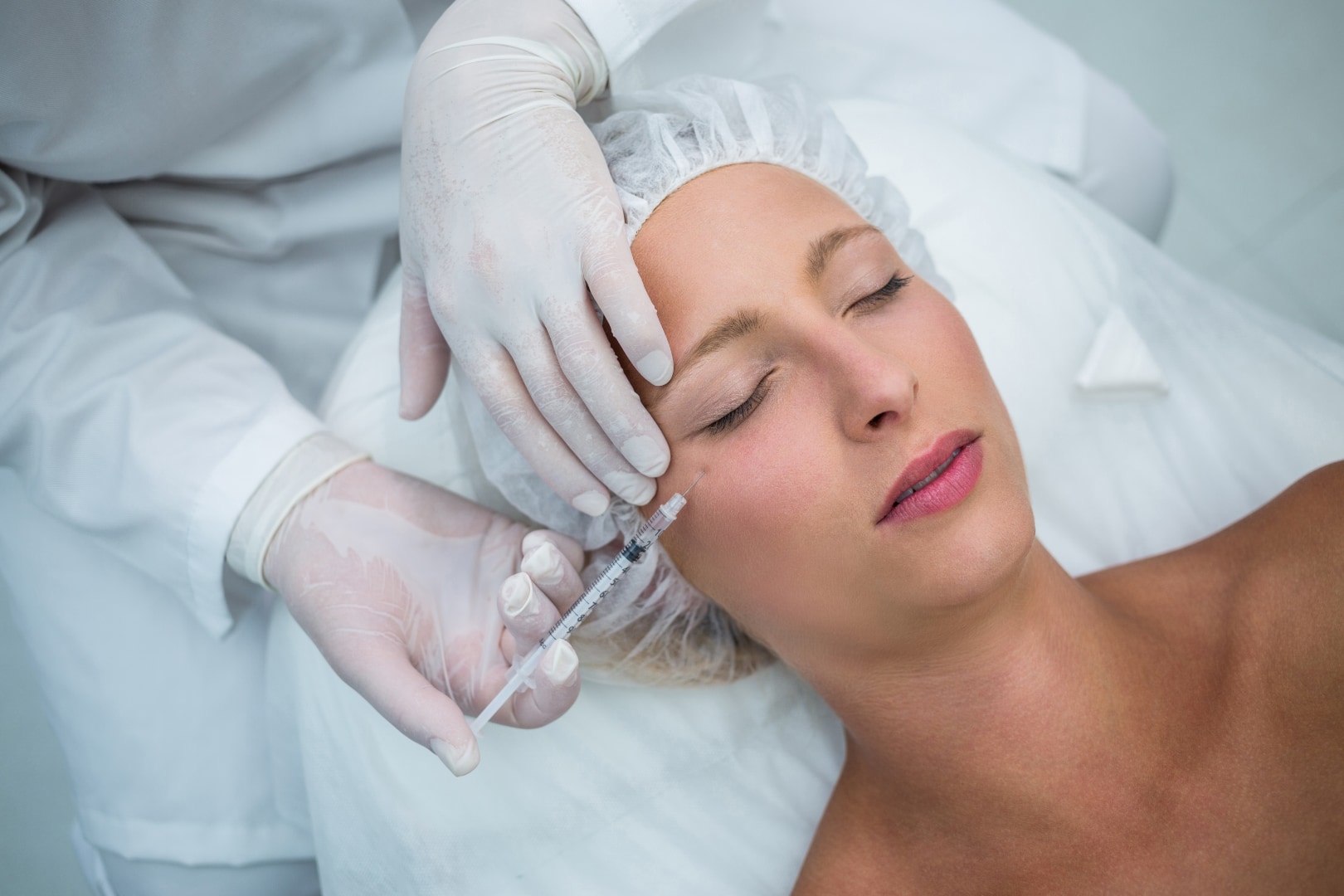
Botulinum toxin type A is a highly purified neuromodulator — a substance that temporarily modifies the signalling between nerve endings and the muscles they supply. When injected in small, precisely targeted doses, it relaxes the specific facial muscles responsible for dynamic wrinkles: those lines and creases produced by repeated movement, such as frowning, squinting, or raising the brows.
The effect is not permanent. Results typically begin to emerge within five to seven days and reach their full expression at around the two-week mark. The duration varies by individual — factors such as muscle mass, metabolic rate, and the area treated all play a role — but most patients find results persist for three to four months, and sometimes longer with consistent treatment over time. Muscles that are regularly relaxed may gradually adapt, with some patients finding that intervals between appointments naturally extend.
When administered by a qualified and experienced clinician, botulinum toxin has an extensive safety record spanning several decades of clinical and cosmetic use. Like any medical intervention, however, its outcomes are meaningfully influenced by how patients prepare and how they care for themselves in the days that follow.
Before Your Treatment

Two Weeks Before: Supplements and Medications
The most significant preparatory step is also the most easily overlooked: reviewing any supplements or medications that may increase the tendency to bruise. Several commonly used substances affect platelet function or blood viscosity, and temporarily pausing them — where clinically appropriate — can make a meaningful difference to how the skin responds to injection.
Where it is safe to do so, and always in consultation with your prescribing doctor, you may be advised to avoid the following for approximately ten to fourteen days before your appointment:
- Non-steroidal anti-inflammatory drugs (NSAIDs), including aspirin and ibuprofen, unless prescribed for a medical condition — never discontinue prescribed medications without medical guidance
- High-dose omega-3 fatty acid supplements
- Vitamin E supplements above standard dietary levels
- Certain herbal preparations, including ginkgo biloba, garlic extract, ginseng, and St John’s Wort
If you are taking anticoagulant medications, please inform your clinician at the time of booking. These should not be adjusted without guidance from your prescribing physician, and your clinician will advise on the most appropriate course of action.
Forty-Eight Hours Before: Final Preparations
Alcohol acts as a vasodilator, widening blood vessels and increasing the likelihood of bruising at injection sites. It is advisable to avoid it for twenty-four to forty-eight hours before your appointment. Similarly, if you have had a chemical peel, laser treatment, or waxing in the areas to be treated, please allow these to fully settle before proceeding — your clinician can advise on appropriate intervals.
On the day itself, please arrive with clean skin. Remove all make-up, moisturiser, and sunscreen from the face before your appointment, or allow a few minutes to do so on arrival. Tight headbands or accessories that exert pressure on the forehead are best left at home.
At Your Consultation
Your clinician will conduct a thorough assessment before any treatment takes place. This is the moment to share relevant medical history, including any previous botulinum toxin treatments, known sensitivities, and current medications. Certain neuromuscular conditions, such as myasthenia gravis or Lambert-Eaton syndrome, are contraindications to treatment; pregnancy and breastfeeding are absolute contraindications, and your clinician must be informed if either applies.
Come with a clear sense of the concerns you wish to address, and be open to your clinician’s assessment of how best to approach them. A natural, balanced result arises from collaboration, not from a fixed prescription.
After Your Treatment
The First Four to Six Hours
The immediate post-treatment period is the most important in terms of what to avoid. For the first four to six hours, please remain upright — lying down or bending significantly forward should be avoided. Do not rub, massage, or apply any pressure to the treated areas, and avoid strenuous physical exercise. Tight headbands, helmets, or anything that compresses the injection sites should similarly be avoided during this window.
These precautions reflect standard clinical practice. Botulinum toxin in its immediate post-injection state may theoretically migrate if subjected to pressure or vigorous movement, though the clinical significance of short-range migration remains a subject of ongoing discussion in the literature. The steps are simple and impose no meaningful inconvenience.
The First Twenty-Four to Forty-Eight Hours
For the day or two following treatment, it is sensible to avoid anything that significantly increases blood flow to the face or raises core body temperature. Intense aerobic exercise, hot showers or baths, saunas, steam rooms, and prolonged sun exposure all fall into this category. Alcohol should be avoided for the first twenty-four hours.
Mild redness, localised swelling, or faint bruising at the injection sites are entirely normal and not a cause for concern. These typically resolve within twenty-four to seventy-two hours. A cold compress applied gently — without pressure to the skin — may provide some comfort if needed. Topical arnica preparations may help to reduce bruising in some individuals.
The First Two Weeks
It takes time for the full effect of botulinum toxin to become apparent. The treated muscles relax progressively as the toxin binds to the relevant nerve terminals, a process that unfolds over five to fourteen days. An assessment made at three or four days will rarely reflect the final outcome, and there is little to be gained from evaluating results before the two-week mark.
Facial treatments — laser procedures, chemical peels, microneedling, facial massage — should be postponed for a minimum of two weeks after treatment. If you sleep on your front, it is worth making an effort to rest face-up for the first few nights, though the evidence on this specific point remains limited. Should you have any concerns about uneven results or unexpected effects, contact your clinic rather than waiting until your next scheduled appointment. Most responsible practices offer a review within this window as a matter of course.
Consistent sun protection is always advisable, and particularly so following aesthetic treatment. UV exposure contributes to the very skin changes that botulinum toxin aims to address; a broad-spectrum SPF 30 or higher, applied daily, is a straightforward and highly effective adjunct to any treatment programme.
Quick Reference Summary
The table below distils the key guidance at a glance and is intended as a practical reference alongside the full discussion above.
| Timeframe | What to Do | What to Avoid |
|---|---|---|
| 2 weeks before | Review supplements with your doctor; inform your clinician of all medications | NSAIDs, high-dose omega-3, vitamin E, certain herbal supplements — where safe to pause |
| 48 hours before | Arrange a clear, product-free face for your appointment; avoid alcohol | Alcohol; facial waxing, laser, or chemical peels in the treatment area |
| Day of treatment | Arrive with clean skin; discuss your goals openly at consultation | Make-up and skincare products; tight headwear |
| First 4–6 hours | Remain upright; keep treated areas undisturbed | Lying down; rubbing or massaging the area; strenuous exercise |
| 24–48 hours after | Apply a gentle cold compress if bruising occurs; rest | Intense exercise; heat exposure (sauna, hot bath, steam); alcohol |
| First 2 weeks | Allow results to develop fully; contact your clinic with any concerns | Facial treatments; sleeping face-down; assessing results before day 14 |
Your clinician will provide any additional guidance specific to your individual treatment plan at the time of your appointment.
Frequently Asked Questions
Will the treatment be painful?
Most patients describe the sensation as a brief series of mild pinpricks. The needles used are very fine, and any discomfort is typically minimal and short-lived. If you have particular anxiety about the procedure, do mention it to your clinician beforehand — a topical numbing cream can be applied to the area prior to treatment.
How soon will I see results?
Some initial relaxation of the treated muscles may be visible from around day three or four, though the full effect generally takes five to fourteen days to develop. We recommend attending a review appointment at approximately two weeks for an accurate assessment of the outcome.
Can I wear make-up afterwards?
It is generally advisable to avoid applying products to the treated areas for the first four to six hours following the procedure. After that point, gentle application is typically fine, provided you take care not to rub or press firmly on the skin.
What if I bruise easily?
A tendency to bruise is worth discussing with your clinician at consultation, as several practical steps can help minimise this risk: following the pre-treatment guidance on supplements and alcohol, ensuring treatment is performed with fine-gauge needles and a measured technique, and using topical arnica before and after the procedure. Bruising, when it does occur, invariably resolves within a few days to a week.
Is it safe to have botulinum toxin treatments regularly?
Evidence from long-term studies suggests that regular treatment with botulinum toxin type A is well tolerated in the majority of patients when administered by a qualified clinician at appropriate intervals. Some individuals find over time that the interval between treatments naturally extends, as repeatedly relaxed muscles may adapt gradually. Your clinician will help you determine a schedule that suits your individual needs.
When can I return to exercise?
Light walking and gentle movement are generally considered acceptable after the first four to six hours. Activities that significantly raise heart rate, body temperature, or facial blood flow — running, cycling, gym sessions — are best avoided for the first twenty-four hours. When in doubt, resume your usual routine the following day.
What side effects should I be aware of?
The most common effects are localised and temporary: mild bruising, redness, or swelling at the injection site, typically resolving within two to three days. Less commonly, patients may notice temporary asymmetry, a sense of heaviness in the brow, or — in treatments near the upper eyelid — a transient droop of the lid known as ptosis. These effects resolve as the treatment gradually wears off and are significantly less likely when treatment is carried out by an experienced practitioner.
What should I do if I have concerns about my results?
Always contact your clinic in the first instance. Most practices offer a review appointment within two to four weeks of treatment, and this is the appropriate time to raise any concerns about unevenness or unexpected effects. Please do not seek correction from a different practitioner without first consulting the clinician who treated you — they will have the clearest understanding of your treatment plan and what to reasonably expect.
In Summary

Botulinum toxin is one of the most extensively studied aesthetic interventions available, with a well-established safety profile and consistently reliable outcomes when delivered by a skilled clinician. With appropriate preparation and conscientious aftercare, it offers a natural and refined approach to managing the facial changes that accumulate with time and expression.
A consultation with a qualified and experienced practitioner is always the essential first step. They are best placed to assess your facial anatomy, discuss your goals, and advise on a treatment plan that is genuinely suited to you — ensuring that the result is not only effective, but considered.
References
The following peer-reviewed sources informed the preparation of this article:
1. Carruthers A, Carruthers J. Botulinum toxin type A: history and current cosmetic use in the upper face. Semin Cutan Med Surg. 2001;20(2):71–84.
2. Sundaram H, Signorini M, Liew S, et al. Global aesthetics consensus: botulinum toxin type A — evidence-based review, emerging concepts, and consensus recommendations for aesthetic use. Plast Reconstr Surg. 2016;137(3):518e–529e.
3. Ascher B, Talarico S, Cassuto D, et al. International consensus recommendations on the aesthetic usage of botulinum toxin type A (Speywood Unit). J Eur Acad Dermatol Venereol. 2010;24(7):747–754.
4. Cavallini M, Cirillo P, Fundarò SP, et al. Safety of botulinum toxin A in aesthetic treatments: a systematic review of clinical studies. Dermatol Surg. 2014;40(5):525–536.
5. Hexsel D, Brum C, do Prado DZ, et al. Field effect of two commercial preparations of botulinum toxin type A: a prospective, double-blind, randomised clinical trial. J Am Acad Dermatol. 2012;67(2):226–232.
6. Dover JS, Monheit G, Fagien S, Raspaldo H. Facial softening with botulinum toxin: an evidence-based review. Aesthet Surg J. 2018;38(Suppl_1):S31–S40.
7. Small R. Botulinum toxin injection for facial wrinkles. Am Fam Physician. 2014;90(3):168–175.
8. Naumann M, Carruthers A, Carruthers J, et al. Meta-analysis of neutralising antibody conversion with onabotulinumtoxinA across multiple indications. Mov Disord. 2010;25(13):2211–2218.
9. De Boulle K, Heydenrych I. Patient factors influencing dermal filler complications: prevention, assessment, and treatment. Clin Cosmet Investig Dermatol. 2015;8:205–214.
10. Monheit GD, Cohen JL. Long-term safety of injectable products. Facial Plast Surg. 2009;25(5):290–295.