


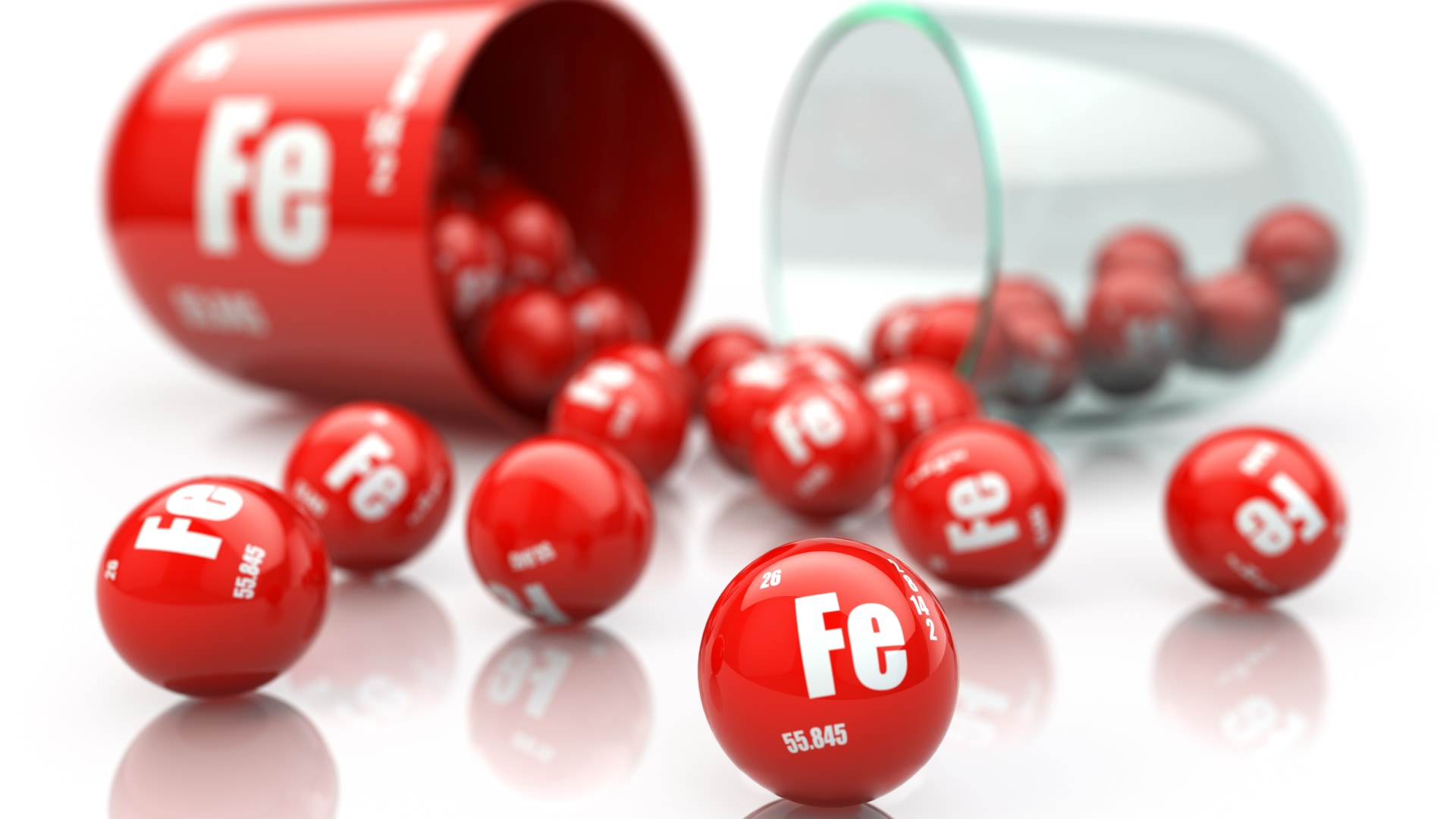
Fatigue that lingers despite adequate sleep. Hair that thins unexpectedly. A sense of diminished capacity that resists easy explanation. These are among the subtler signs that iron — one of the body’s most quietly essential minerals — may not be at the level it needs to be. Iron studies are a straightforward and valuable tool for identifying where the problem lies and, where treatment is needed, modern intravenous iron therapy offers a safe and effective path to restoration.
Why Iron Matters
Iron is central to the production of haemoglobin, the protein within red blood cells that carries oxygen from the lungs to every tissue in the body. Without adequate iron, haemoglobin production falls, oxygen delivery is compromised, and the resulting deficit is felt as fatigue, reduced concentration, and diminished physical capacity. Iron also plays a role in immune defence, thyroid function, and the regulation of energy metabolism — functions that extend well beyond its familiar association with the blood.
The body maintains iron within a carefully balanced range. Too little leads to iron deficiency anaemia, with its characteristic tiredness, pallor, and brittle nails. Too much — a condition known as iron overload or haemochromatosis — can damage the liver, heart, and pancreas over time. Understanding where an individual sits within this range, and how to interpret the relevant laboratory values, is the starting point for any informed conversation about iron health.
Understanding Iron Studies
When a clinician orders iron studies, they are requesting a panel of blood tests rather than a single measurement. Each test illuminates a different aspect of iron status, and the results are most meaningful when considered together. The four principal markers are:
- Serum iron: measures the amount of iron currently circulating in the bloodstream.
- Ferritin: reflects stored iron and is generally the most reliable single indicator of the body’s overall iron reserves.
- Transferrin or total iron-binding capacity (TIBC): indicates the capacity of the blood’s transport proteins to carry iron.
- Transferrin saturation: a calculated value showing what proportion of those transport proteins are actually carrying iron at any given time.
No single result tells the full story. A low ferritin accompanied by low serum iron and a high TIBC points clearly towards iron deficiency. The same low ferritin alongside a low TIBC may instead suggest anaemia of chronic disease, in which iron is present but not being released effectively. Elevated ferritin combined with high serum iron and high transferrin saturation raises the possibility of iron overload and warrants further investigation. Reference ranges also vary between laboratories, and values must always be interpreted in the context of the individual — their age, sex, diet, medical history, and symptoms.
Common Result Patterns at a Glance
| Pattern | Likely Interpretation |
| Low ferritin + low serum iron + high TIBC | Iron deficiency — often due to blood loss, poor dietary intake, or increased demand (e.g., pregnancy) |
| Low serum iron + low-normal ferritin + low TIBC | Anaemia of chronic disease — iron is retained but not released effectively |
| High ferritin + high serum iron + high transferrin saturation | Possible iron overload (haemochromatosis or repeated transfusions) — requires further assessment |
| Normal ferritin + low serum iron | Early or mild deficiency, or temporary fluctuation following illness |
| Low-normal ferritin with symptoms (fatigue, hair loss) | Suboptimal stores — may warrant supplementation even within reference range |
Groups with Higher Iron Needs
While standard reference ranges apply to the general population, certain individuals require higher iron reserves to function at their best — and for them, results that fall within the ‘normal’ range may still represent a meaningful deficit.
Athletes
Endurance athletes, and runners in particular, are at elevated risk of iron depletion. Exercise increases iron losses through sweating, microscopic gastrointestinal bleeding, and accelerated red blood cell turnover — a phenomenon sometimes described as foot-strike haemolysis. A ferritin level above 30 to 50 µg/L is generally considered necessary for adequate athletic performance, and elite athletes may be advised to maintain considerably higher stores. Declining performance, unexplained fatigue, or reduced training tolerance warrant assessment even in athletes whose results appear superficially normal.
Women of Reproductive Age
Menstrual blood loss makes iron deficiency significantly more common in women than in men. Ferritin levels in the low-normal range — for example, between 15 and 30 µg/L — can produce noticeable symptoms of fatigue and hair thinning even when haemoglobin remains normal. For women planning a pregnancy, establishing robust iron reserves before conception is particularly important, as the demands of early foetal development draw heavily on maternal stores.
Pregnant Women
Pregnancy increases blood volume substantially and places the highest physiological demands on iron of any life stage. A fall in ferritin during pregnancy is expected, but severely depleted stores increase the risk of maternal anaemia, preterm birth, and low birthweight. Obstetricians routinely check iron studies in early and mid-pregnancy and may recommend supplementation or infusion depending on the degree of depletion.
Those Following Plant-Based Diets
Plant foods contain non-haem iron, which is less efficiently absorbed than the haem iron found in meat and fish. Individuals following vegetarian or vegan diets often need to aim for higher dietary iron intake to achieve comparable absorption, and may benefit from consuming iron-rich plant foods alongside vitamin C — which measurably improves non-haem iron uptake. Regular monitoring is advisable, particularly for those who have recently made the dietary transition.
Older Adults
Ageing brings gradual changes to iron metabolism that can tip in either direction. Deficiency remains a risk, particularly in those with chronic illness, poor appetite, or reduced dietary variety. However, iron overload — whether hereditary or acquired — is also more common in older populations. The appropriate response is not supplementation in the absence of evidence but regular, informed monitoring to ensure levels remain appropriately balanced.
Who Should Consider Iron Testing?
Iron studies are a reasonable step for anyone experiencing unexplained fatigue, persistent weakness, or symptoms such as hair thinning, pallor, or breathlessness on exertion. Beyond symptom-driven testing, the following groups are commonly advised to have iron studies checked:
- Women with heavy or prolonged menstrual cycles
- Pregnant women, at booking and again in mid-pregnancy
- Those following plant-based diets, particularly if new to them
- Individuals with inflammatory bowel disease, coeliac disease, or other conditions affecting absorption
- Athletes experiencing declining performance or unexplained tiredness
- Patients with chronic kidney disease, cancer, or other conditions associated with ongoing blood loss
When Is an Iron Infusion Recommended?
For many individuals, dietary adjustment or oral iron supplementation is sufficient to restore healthy iron levels. However, oral iron is not always an appropriate solution. It is poorly tolerated by a significant proportion of patients — causing nausea, constipation, and abdominal cramping — and it is poorly absorbed in several common clinical situations: inflammatory bowel disease, coeliac disease, previous gastric surgery, or any condition that impairs gastrointestinal absorption.
An intravenous iron infusion — the direct delivery of iron into the bloodstream through a drip — bypasses these limitations entirely. It is typically recommended when deficiency is severe and causing significant anaemia; when the underlying cause means oral supplementation will not be adequately absorbed; when there is clinical urgency, such as late pregnancy or preparation for surgery; or when a patient has previously been unable to tolerate oral iron. It is also used as part of ongoing management in patients with chronic kidney disease, cancer treatment, or conditions associated with regular blood loss.
Infusions are performed in a clinic or hospital setting under medical supervision, with monitoring during and after the procedure. Sessions last between 20 minutes and an hour, depending on the formulation used.
Choosing Between Formulations: Iron Sucrose and Ferric Carboxymaltose
The two most widely used intravenous iron preparations are iron sucrose and ferric carboxymaltose (FCM). Both are effective, but they differ meaningfully in how they are administered, how quickly they work, and which clinical situations they suit best.
| Feature | Iron Sucrose | Ferric Carboxymaltose (FCM) |
| Typical dose per session | 100–200 mg | 750–1,000 mg |
| Sessions typically required | Multiple — often 5 to 10 | 1 to 2 sessions usually sufficient |
| Duration per infusion | 20–30 minutes | 30–60 minutes |
| Most common clinical use | Chronic kidney disease; patients on dialysis | Rapid replenishment; fewer clinic visits needed |
| Key advantages | Long safety record; well tolerated; lower single-dose exposure | Large single dose; faster restoration of stores; fewer visits |
| Considerations | Requires multiple clinic attendances; slower correction | Risk of low phosphate with repeated use; higher cost in some settings |
In practice, the choice between formulations depends on several factors considered together. FCM is generally preferred when rapid replenishment is the priority, or when a patient cannot commit to multiple clinic visits. Iron sucrose remains the formulation of choice for patients on dialysis, where infusions are already integrated into a routine of regular attendance, and for those in whom the lower single-dose exposure is clinically preferable. Cost and local availability may also influence the decision. In all cases, the appropriate formulation is determined by a clinician following a thorough assessment.
After the Infusion: Monitoring and Recovery

What to Expect
Most patients tolerate iron infusions well and are able to resume normal activities, including driving, immediately afterwards. Mild and transient effects may occur during or shortly after the session: a metallic taste, mild headache, muscle aching, or a brief sensation of flushing or dizziness. These typically resolve within a few hours and do not require intervention. Serious adverse reactions — including allergic responses and, with FCM specifically, low phosphate levels following repeated use — are uncommon but are the reason infusions are always conducted under clinical supervision with appropriate monitoring. In the very rare event of iron leaking outside the vein, localised skin staining may occur.
Follow-Up Blood Tests and Target Values
A single infusion is not the end of the process. Follow-up blood tests are essential to confirm that iron levels have been adequately restored and to guide decisions about whether further treatment is needed. The timing of these tests matters: ferritin levels may appear artificially elevated in the first two to four weeks following infusion, as infused iron circulates before being incorporated into stores. The most reliable window for re-testing is eight to twelve weeks after the infusion.
| Marker | Target Following Treatment | Notes |
| Haemoglobin (Hb) | Rising steadily into normal range | Typically improves within 4–8 weeks |
| Ferritin | Generally above 100 µg/L in adults | Athletes and some patient groups may aim higher |
| Transferrin saturation (TSAT) | 20–50% | Ensures adequate iron availability without overloading |
For patients with ongoing conditions — chronic kidney disease, inflammatory bowel disease, or heavy menstrual bleeding — regular iron studies every three to six months provide the ongoing visibility needed to manage iron levels proactively rather than reactively.
Maintaining Healthy Iron Levels
An infusion addresses a deficiency, but it does not prevent recurrence if the underlying cause remains. Dietary attention and, where indicated, ongoing monitoring form the longer-term strategy. Iron-rich foods include lean red meat, poultry, oily fish, lentils, beans, tofu, and dark leafy greens. For those relying on plant-based sources, consuming these foods alongside something vitamin C–rich — citrus, peppers, tomatoes — meaningfully improves absorption. Oral iron supplements should only be taken when prescribed, as excess iron accumulation carries genuine risks. For individuals with hereditary haemochromatosis or thalassaemia, regular monitoring is a permanent and necessary feature of healthcare rather than a temporary measure.
Frequently Asked Questions
How soon will I feel better after an iron infusion?
Many individuals notice improvements in energy and concentration within one to two weeks. The full effect, however, typically takes four to six weeks, as the body gradually produces new red blood cells and builds its haemoglobin levels back towards the normal range. Patients who begin the infusion in a state of significant anaemia may find the recovery curve is longer.
How long do the effects of an infusion last?
This depends largely on the underlying reason for the deficiency. Where the cause is a single identifiable episode — post-surgical blood loss, for example, or a period of very low intake — a single course of infusions may be sufficient for many months or longer. Where there is an ongoing cause, such as heavy menstrual bleeding or inflammatory bowel disease, repeat infusions are likely to be needed at intervals. A clinician will advise based on follow-up blood tests and the clinical picture.
What blood tests should I have after an infusion, and when?
The standard follow-up panel includes haemoglobin, ferritin, and transferrin saturation. Testing is most informative at eight to twelve weeks after the infusion, once iron levels have stabilised. Earlier tests — at two to four weeks — may show an artificially high ferritin that does not accurately reflect true stored iron and can give a misleadingly optimistic picture.
What are the common side effects?
Most side effects are mild and short-lived. They may include a metallic taste in the mouth, mild headache, nausea, muscle or joint aching, and transient changes in blood pressure such as a sensation of flushing or lightheadedness. These typically resolve within a few hours. The infusion is always conducted under supervision so that any reaction can be identified and managed promptly.
Are there any serious risks I should know about?
Serious reactions are uncommon. Allergic responses occur in fewer than one in a thousand patients and are managed immediately within the clinical setting. Repeated use of ferric carboxymaltose has been associated with low phosphate levels in some patients, and this is monitored accordingly. Localised skin staining can occasionally occur if iron leaks outside the vein at the infusion site. These risks are the reason that iron infusions are always administered under medical supervision rather than at home.
Will I need more than one infusion?
That depends on the formulation used and the severity of the deficiency. Iron sucrose is given in multiple shorter sessions — often five to ten visits — while ferric carboxymaltose can frequently correct a deficiency in one or two treatments. Your clinician will outline the most appropriate schedule following an assessment of your iron studies and clinical circumstances.
Should I continue taking oral iron alongside an infusion?
Not usually at the same time. Intravenous iron and oral supplements are generally not given concurrently, as the body can only process and incorporate a certain amount of iron at once. After an infusion course is complete, a clinician may recommend oral supplementation to help maintain levels — particularly where the underlying cause of deficiency is ongoing. This decision is based on follow-up blood tests rather than a general rule.
Can I drive myself home after the infusion?
Most patients are perfectly well to drive home afterwards. If you experience dizziness, lightheadedness, or any other symptoms during or following the procedure, it is advisable to rest at the clinic until these have passed before driving. The clinical team will always confirm you are well before you leave.
In Summary
Iron studies offer a precise and clinically meaningful window into one of the body’s most fundamental systems. The interpretation of results requires attention to pattern rather than any single value — and for certain groups, including athletes, women of reproductive age, and those with absorption difficulties, what is considered ‘normal’ by standard reference ranges may still be suboptimal in practice. Where oral supplementation is insufficient, not tolerated, or simply not fast enough, intravenous iron therapy offers a reliable and well-evidenced alternative. With appropriate follow-up and monitoring, it is possible to restore iron levels effectively and to maintain them with confidence.
A consultation with a qualified clinician ensures that testing, interpretation, and treatment are all appropriately matched to your individual circumstances, health history, and goals.
References
World Health Organization. Haemoglobin concentrations for the diagnosis of anaemia and assessment of severity. WHO/NMH/NHD/MNM/11.1. Geneva: WHO, 2011.
Pasricha S-R, Tye-Din J, Muckenthaler M-U, Swinkels D-W. Iron deficiency. Lancet. 2021;397(10270):233–248.
Camaschella C. Iron deficiency. N Engl J Med. 2015;372:1832–1843.
Tolkien Z, Stecher L, Mander A-P, Pereira D-I-A, Powell J-J. Ferrous sulfate supplementation causes significant gastrointestinal side-effects in adults: a systematic review and meta-analysis. PLoS One. 2015;10(2):e0117383.
Short M-W, Domagalski J-E. Iron deficiency anaemia: evaluation and management. Am Fam Physician. 2013;87(2):98–104.
Auerbach M, Adamson J-W. How we diagnose and treat iron deficiency anemia. Am J Hematol. 2016;91(1):31–38.
National Institute for Health and Care Excellence (NICE). Anaemia – iron deficiency. Clinical Knowledge Summary (CKS). Last updated 2022.
Pavord S, Daru J, Prasannan N, Robinson S, Stanworth S, Girling J. UK guidelines on the management of iron deficiency in pregnancy. Br J Haematol. 2020;188(6):819–830.
Krayenbuehl P-A, Battegay E, Breymann C, Furrer J, Schulthess G. Intravenous iron for the treatment of fatigue in non-anaemic, premenopausal women with low serum ferritin concentration: double blind, randomised controlled trial. BMJ. 2011;342:d303.
Avni T, Bieber A, Grossman A, Green H, Leibovici L, Gafter-Gvili A. The safety of intravenous iron preparations: systematic review and meta-analysis. Mayo Clin Proc. 2015;90(1):12–23.
Bhandari S. Update of a comparative analysis of cost minimization following the introduction of ferric carboxymaltose in hospital practice. Ther Adv Hematol. 2017;8(9):261–273.
Dignass A, Farrag K, Stein J. Limitations of serum ferritin in diagnosing iron deficiency in inflammatory conditions. Int J Chronic Dis. 2018;2018:9394060.
Peeling P, Blee T, Goodman C, et al. Effect of iron injections on aerobic-exercise performance of iron-depleted female athletes. Int J Sport Nutr Exerc Metab. 2007;17(3):221–231.
Auerbach M, Gafter-Gvili A, Macdougall I-C. Intravenous iron: a framework for changing the management of iron deficiency. Lancet Haematol. 2020;7(4):e342–e350.
Muñoz M, Auerbach M, Bhandari S, et al. International consensus statement on the peri-operative management of anaemia and iron deficiency. Anaesthesia. 2017;72(2):233–247.