


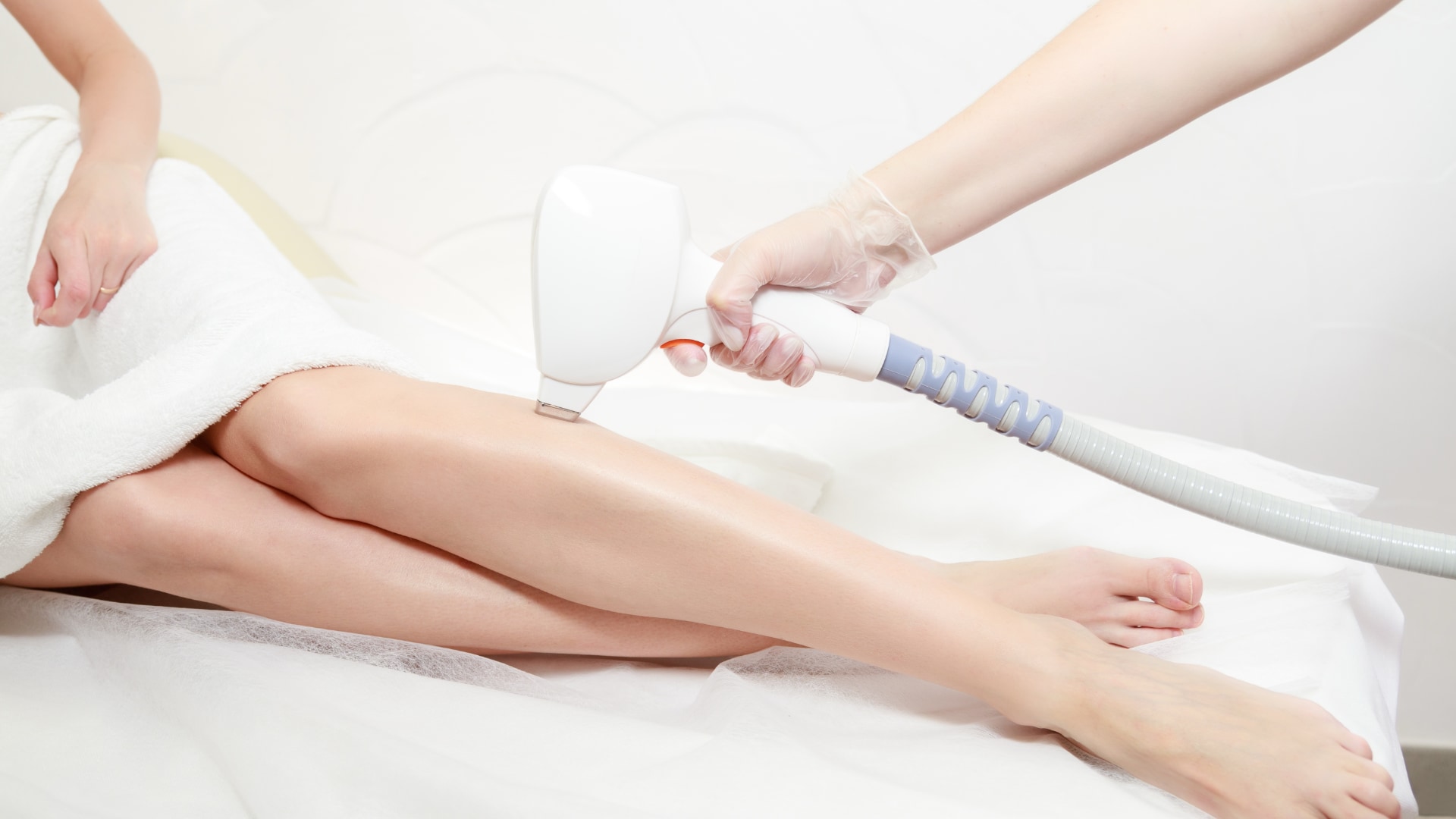
Unwanted hair is one of the most universally shared aesthetic concerns, addressed across cultures, age groups, and skin tones for as long as cosmetic practice has existed. What has changed in recent decades is the range of solutions available — and, more importantly, the quality of the evidence behind them. From temporary surface methods to permanent destruction of the follicle, the choice of approach carries real consequences for skin health, comfort, and long-term results. Making that choice well begins with understanding what each method actually does.
Why Hair Removal Matters
The motivations for managing unwanted hair are as varied as the individuals who seek it. For many, the impetus is primarily aesthetic — a preference for smooth, refined skin that reflects personal or cultural standards of grooming. For others, the concern is functional: in active individuals, hair in high-friction areas can contribute to discomfort, chafing, and sweat accumulation. There are also genuine medical indications, most notably pseudofolliculitis barbae — a condition in which coarse, curly hairs curl back and re-enter the skin after shaving, causing chronic inflammation and, over time, scarring. Folliculitis, or infection of the hair follicles, is another context in which hair reduction may offer meaningful relief. Surgical and dermatological preparation occasionally requires hair removal from specific areas as well.
Whatever the reason, the shared priority is an approach that respects the skin, minimises risk, and delivers results that last. Not all methods meet this standard equally, and the distinction between temporary, semi-permanent, and long-term reduction is worth understanding before committing to any course of treatment.
Overview of Hair Removal Methods
| Method | Mechanism | Longevity | Suitable For | Considerations |
| Shaving | Cuts hair at skin surface | Hours to days | All areas | Risk of irritation and ingrown hairs |
| Depilatory creams | Dissolves hair protein | Days | Larger body areas | May irritate sensitive skin; patch test recommended |
| Waxing | Removes hair from the root | 3–6 weeks | Body and face | Painful; may cause ingrown hairs or pigmentation changes |
| Sugaring | Natural paste removes hair at root | 3–6 weeks | Sensitive skin types | Less irritating than waxing; technique dependent |
| Threading | Twisted thread removes hairs | 2–6 weeks | Small facial areas | Precise; requires practitioner skill |
| Epilation devices | Mechanical removal at root | Weeks | Body areas | Can be uncomfortable; ingrown hairs possible |
| Electrolysis | Destroys follicle with electrical current | Permanent | Small areas | Time-consuming; multiple sessions required |
| Laser hair removal | Targets pigment within the follicle | Long-term reduction | Face and body | Requires a course of treatments; best with medical-grade devices |
Laser Hair Removal: A Closer Look
Laser hair removal is a clinically proven and widely practised method for achieving significant, lasting reduction in hair growth. It operates on the principle of selective photothermolysis: concentrated light energy is directed into the hair follicle, where the melanin — the pigment that gives hair its colour — absorbs that energy and converts it into heat. This heat is sufficient to damage the follicle and impair its ability to produce new hair, without meaningfully affecting the surrounding skin when the correct parameters are used. The result, across a properly completed course of treatment, is a substantial and durable reduction in hair density and regrowth.
Because the process relies on melanin absorption, the effectiveness of laser hair removal is influenced by the contrast between hair colour and skin tone. Coarser, darker hair on lighter skin responds most readily; very light, grey, or red hair contains insufficient melanin for consistent results. The choice of laser platform matters considerably in this context, as different wavelengths penetrate the skin to different depths and interact with melanin differently. For individuals with medium to deep skin tones — a significant proportion of the clinic’s international clientele — the choice of device is not merely a technical preference but a genuine safety consideration.
Why the Long-Pulsed Nd:YAG Laser Stands Out
The long-pulsed Nd:YAG laser, operating at a wavelength of 1064 nm, is regarded as the gold-standard platform for laser hair removal in individuals with medium to deep skin tones, and is suitable for many lighter tones as well. Its clinical advantages derive from a combination of physics and design. At 1064 nm, the wavelength penetrates more deeply into the dermis than shorter-wavelength alternatives, reaching the hair follicle directly. Critically, melanin in the epidermis — the surface layer of the skin — absorbs this wavelength relatively poorly, which means the laser’s energy passes through the skin surface without the same risk of surface heating, burns, or pigmentation changes that shorter wavelengths carry on darker complexions.
The long-pulse duration is equally important. By delivering energy over a longer interval rather than in a very short burst, the device allows heat to dissipate gradually from the follicle rather than concentrating it dangerously. Most Nd:YAG systems also incorporate integrated cooling mechanisms — cryogen spray, chilled sapphire tips, or contact cooling — which protect the skin surface and markedly improve comfort during treatment. The combination of these features makes the long-pulsed Nd:YAG effective on coarse hair in areas such as the underarms, legs, bikini line, and beard regions, with a lower risk of post-inflammatory hyperpigmentation than alternative platforms — a particularly important consideration for patients with naturally pigmented or reactive skin.
Most individuals require eight to twelve sessions spaced four to six weeks apart to achieve optimal reduction, as laser treatment is only effective on follicles in their active growth phase, and not all follicles are active simultaneously. Maintenance sessions may be needed at intervals thereafter, depending on the individual’s hormonal profile and the area treated.
Preparing for Treatment

Careful preparation in the days before each session improves both the safety and the effectiveness of the treatment. The following guidance applies to most patients, though a clinician may adjust specific recommendations based on individual skin type and the area being treated.
Two weeks before
- Avoid sun exposure, tanning beds, and self-tanning products. Tanned skin increases the risk of adverse reactions.
- Discontinue retinoids or exfoliating acids on any facial treatment areas.
One week before
- Do not wax, thread, or pluck — the hair root must be present in the follicle for the laser to target it effectively.
- Ensure the skin is free from active inflammation, recent chemical peels, or other laser treatments.
24 to 48 hours before
- Shave the treatment area — this removes surface hair whilst preserving the follicle below the skin.
- Avoid active skincare acids, harsh scrubs, or abrasive treatments on the area.
- Keep skin clean and free of heavy moisturisers, oils, or sprays.
On the day of treatment
- Arrive with clean, product-free skin.
- Avoid deodorant or perfumed products on areas such as the underarms.
What to Expect During a Session
A degree of familiarity with the procedure helps manage expectations and reduces any anxiety that first-time patients naturally bring to a clinical treatment. Each session follows a consistent sequence.
The session begins with a brief review of medical history, skin condition, and any recent sun exposure. Settings are confirmed and adjusted as required, and protective eyewear is provided for both patient and clinician. The treatment area is cleansed thoroughly to remove any residual products. The clinician may mark the treatment zones to ensure systematic coverage, and the cooling mechanism is activated before the first pulse.
The laser handpiece is then moved methodically across the area in overlapping passes. Each pulse delivers a brief sensation that most patients describe as a light snap or warm flick — noticeable but not significantly uncomfortable, particularly with the cooling system active. The long pulse duration of the Nd:YAG allows the energy to penetrate deeply whilst keeping surface discomfort to a minimum. Small areas such as the upper lip or underarms typically take five to ten minutes; larger areas such as the legs or back may require thirty to sixty minutes.
Immediately following the session, mild redness and follicular swelling — small raised spots around each treated follicle — are entirely normal and generally resolve within a few hours. A soothing gel or cool compress is applied before the patient leaves, and broad-spectrum sunscreen is recommended for any areas that will be exposed to daylight. The procedure involves no recovery period; normal activities may be resumed straight away.
Post-Treatment Care
Skin in the treated area may appear slightly pink or feel warm for a few hours after the session, comparable to mild sun exposure. The following measures support a comfortable recovery and protect the results.
For the first 48 hours
- Apply cool compresses or a gentle aloe vera gel if the skin feels warm or reactive.
- Avoid heat exposure: saunas, hot showers, steam rooms, and vigorous exercise.
- Avoid harsh skincare products, exfoliants, and strongly fragranced lotions on the treated area.
For the first week
- Do not wax, thread, or pluck. If hair removal is needed between sessions, shaving only.
- Gentle exfoliation may be introduced after three to five days to help prevent ingrown hairs as treated hairs begin to shed.
Sun care
- Avoid direct sun exposure on the treated area for two weeks following each session.
- Apply a broad-spectrum SPF 30 or higher daily to any treated areas that will be exposed to daylight.
Temporary shedding of treated hair typically occurs within one to two weeks of each session — this is a normal and expected part of the process, not a cause for concern.
When to Seek Professional Advice
Most patients complete their treatment course without any significant adverse effects. However, a clinician should be consulted promptly if any of the following occur:
- Excessive redness, persistent swelling, or blistering beyond the first 24 hours
- Persistent darkening or lightening of skin tone in or around the treated area
- Ingrown hairs that become painful, infected, or do not resolve
- Unexpected hair growth in areas adjacent to the treatment zone (uncommon but occasionally reported)
Choosing the Right Clinic and Practitioner
The quality of the device and the experience of the practitioner are the two factors that most directly determine both safety and outcome. Medical-grade laser systems, operated by or under the supervision of trained clinical professionals, offer a level of precision, safety monitoring, and adaptability to individual skin types that consumer-grade devices simply cannot match. For patients with medium to deep skin tones, this distinction is particularly important: the wrong device or incorrectly calibrated settings carry a genuine risk of burns and pigmentation changes that a competent practitioner using an appropriate platform will avoid entirely.
Before committing to a course of treatment, patients should expect a thorough consultation, a formal skin assessment, and a patch test on a small area to confirm that the chosen settings are well tolerated. Any clinic that proposes to begin full treatment without these steps warrants careful scrutiny.
Frequently Asked Questions
How many sessions will I need?
Most individuals require eight to twelve sessions to achieve optimal reduction, spaced four to six weeks apart to align with the natural hair growth cycle. The precise number depends on the area being treated, the density and coarseness of the hair, the individual’s hormonal profile, and the skin and hair type. Some areas — such as the upper lip — may reach satisfactory results at the lower end of this range, whilst hormonally driven growth areas such as the chin or bikini line often require more sessions and periodic maintenance.
Is laser hair removal suitable for my skin tone?
The long-pulsed Nd:YAG laser is specifically designed to be safe and effective across a broad range of skin tones, including medium to deep complexions where other laser platforms carry elevated risk. Lighter skin tones are equally suitable. The one group for whom laser hair removal is less effective regardless of platform is those with very light, grey, red, or white hair — as the laser’s mechanism depends on melanin pigment within the follicle. A clinician will assess your skin type and hair characteristics at consultation and advise accordingly.
Is the treatment painful?
Most patients describe the sensation as a brief snap or warm flick with each pulse — perceptible but not significantly uncomfortable, particularly with the cooling system in use. Tolerance varies between individuals and between body areas; the upper lip and bikini line tend to be more sensitive than the legs or back. The long pulse duration of the Nd:YAG makes it generally more comfortable than shorter-pulse alternatives, and the integrated cooling mechanisms further reduce surface discomfort. No anaesthetic is typically required.
Can I return to normal activities after treatment?
Yes. Laser hair removal involves no downtime, and normal activities may be resumed immediately after each session. The main practical restrictions are the avoidance of heat (saunas, intense exercise, very hot showers) for 48 hours, and the avoidance of sun exposure on treated areas for two weeks. Makeup may generally be applied to facial areas the following day, provided the skin has settled.
Why must I shave before a session but avoid waxing?
Shaving removes the hair above the skin surface whilst leaving the root intact within the follicle — which is exactly where the laser needs to target. Waxing, threading, or plucking removes the root from the follicle entirely, leaving nothing for the laser to act upon. In the week before each session, the follicle must contain the hair root for the treatment to be effective. Between sessions, shaving is the only form of hair removal that is compatible with the ongoing treatment course.
Will the results be permanent?
Laser hair removal produces long-term, significant reduction in hair growth rather than absolute permanence. The treated follicles are damaged and their ability to produce hair substantially impaired, but a proportion may recover partially over time, and new follicles can become active — particularly in response to hormonal changes. Most patients enjoy a very high degree of long-term reduction that renders the treated areas functionally smooth, with occasional maintenance sessions required to address any regrowth. The distinction between ‘permanent reduction’ and ‘permanent removal’ is one that all reputable clinics will communicate honestly at consultation.
In Summary
Laser hair removal — and the long-pulsed Nd:YAG platform in particular — represents the most clinically substantiated option currently available for long-term hair reduction across a wide range of skin tones and body areas. Its advantages over temporary methods are considerable in terms of both convenience and cumulative skin health, and its safety profile, when treatment is delivered by a qualified professional using appropriate equipment, is well established in the literature. With realistic expectations, thoughtful preparation, and proper aftercare, the experience is both comfortable and genuinely effective.
For those uncertain about which method best suits their individual circumstances, a consultation with an experienced practitioner provides the skin assessment, honest guidance, and personalised treatment plan that make the difference between a satisfactory outcome and an excellent one.
References
Anderson RR, Parrish JA. Selective photothermolysis: precise microsurgery by selective absorption of pulsed radiation. Science. 1983;220(4596):524–527.
Haedersdal M, Wulf HC. Evidence-based review of hair removal using lasers and light sources. J Eur Acad Dermatol Venereol. 2006;20(1):9–20.
Tierney E, Hanke CW. Safety and efficacy of long-pulsed Nd:YAG laser hair removal in all skin types. J Drugs Dermatol. 2010;9(11):1343–1348.
Rao J, Goldman MP. Long-pulsed Nd:YAG laser hair removal in Fitzpatrick skin types IV–VI. J Cosmet Laser Ther. 2005;7(1):39–44.
Goldman MP, Gold MH. Laser and light-based hair removal: an update on technologies and clinical outcomes. Dermatol Surg. 2011;37(12):1731–1741.
Sadick NS. Update on laser hair removal. Dermatol Clin. 2005;23(3):123–135.
Ross EV, Ladin Z, Kreindel M, Dierickx C. Theoretical considerations in laser hair removal. Dermatol Clin. 2000;18(3):361–378.
Kaufman J, Hibler BP. Laser and light-based treatment of unwanted hair: a review. Clin Dermatol. 2017;35(5):541–548.
Alster TS, Lupton JR. Lasers in dermatology: overview and update. J Am Acad Dermatol. 2003;49(5):777–798.
Nouri K, ed. Lasers in Dermatology and Medicine. London: Springer; 2012.