


Among the compounds that have emerged from nutritional science into genuine clinical interest over the past two decades, resveratrol occupies a quietly distinctive position. It is not a pharmaceutical invention but a molecule that plants produce for their own protection — activated in response to stress, injury, or infection. The question of whether that protective chemistry translates meaningfully to human health has driven a substantial body of research, and the answer, while not without nuance, is increasingly encouraging. Resveratrol’s relevance extends from cardiovascular health to cellular longevity, and its relationship with some of the body’s most fundamental repair mechanisms makes it one of the more scientifically grounded entries in the field of preventive wellness.
What Is Resveratrol?
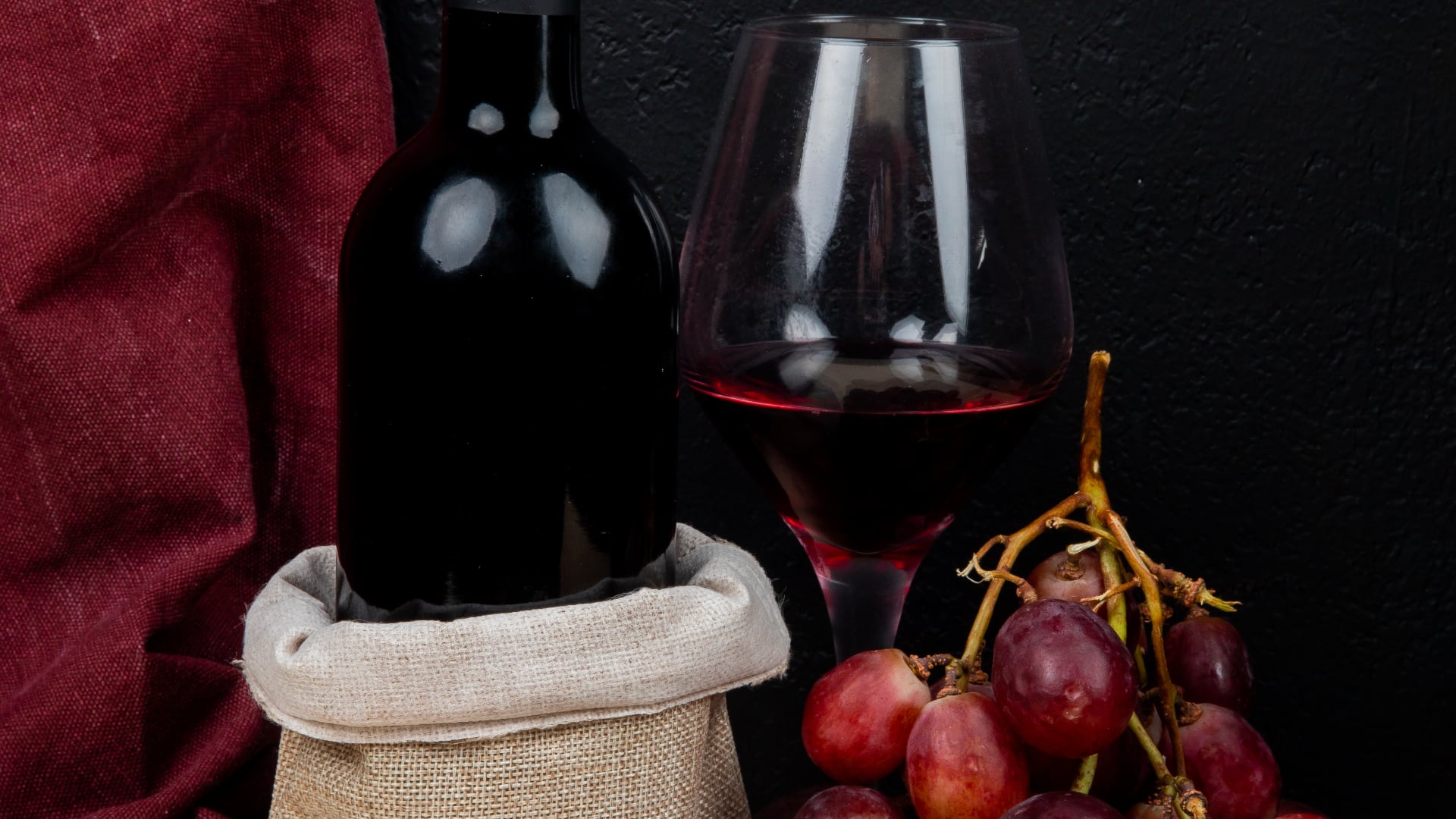
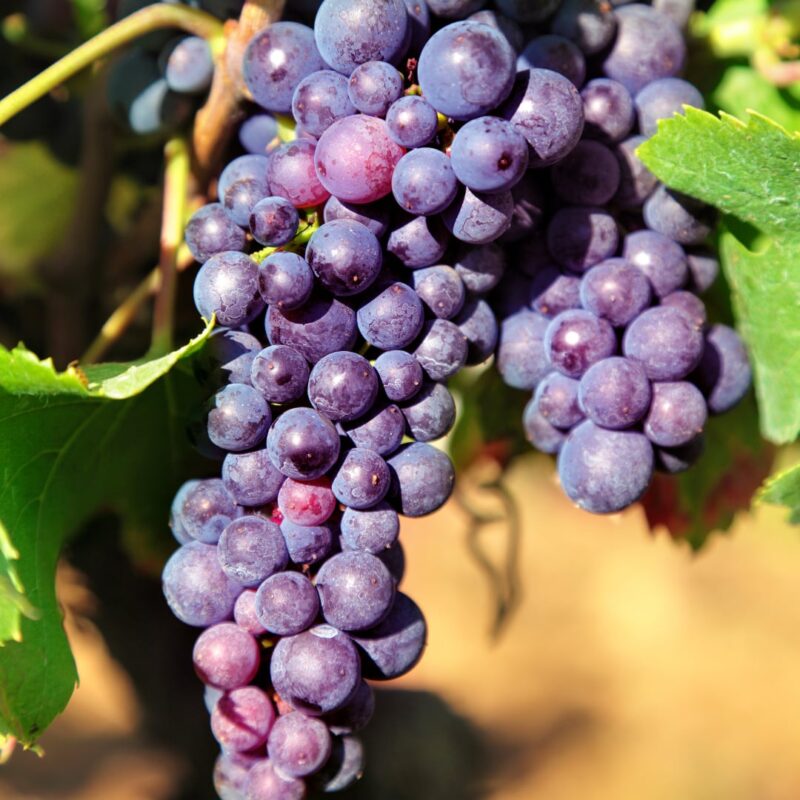
Resveratrol is a polyphenol — a category of naturally occurring plant compounds characterised by their antioxidant and anti-inflammatory properties — produced primarily in response to environmental stressors such as UV radiation, fungal infection, and physical damage. It is found most abundantly in the skins of red grapes, along with blueberries, mulberries, cranberries, peanuts, and dark chocolate, with red wine representing the most widely discussed dietary source by virtue of the grape skin contact involved in its fermentation.
Scientific interest in resveratrol accelerated in the 1990s partly as an attempt to explain the ‘French paradox’ — the observation that populations in France maintained relatively low rates of cardiovascular disease despite diets high in saturated fat, with moderate red wine consumption proposed as a contributing factor. Whether wine alone is responsible for that observation remains debated, but the mechanism of interest — resveratrol’s action on cellular longevity pathways — has proven a remarkably productive area of research in its own right.
Why Resveratrol Matters
Resveratrol’s significance lies in its capacity to interact with cellular machinery at a level that most dietary compounds do not reach. Its primary mechanism of action involves the activation of a family of proteins called sirtuins — sometimes described as the body’s longevity regulators — which govern a broad range of protective functions including DNA repair, suppression of inflammation, metabolic regulation, and the cellular response to stress. In activating sirtuins, resveratrol mimics some of the effects of caloric restriction, a dietary intervention consistently associated with extended lifespan in animal models.
Its cardiovascular effects are among the most studied. By promoting healthy endothelial function — the integrity of the cells lining blood vessels — and reducing the oxidative modification of cholesterol particles, resveratrol may contribute to a reduced risk of atherosclerosis. It also demonstrates anti-inflammatory activity through its influence on signalling pathways that regulate chronic low-grade inflammation, which is increasingly recognised as an underlying contributor to many age-related conditions. In the brain, improved cerebral blood flow and a reduction in processes associated with neuronal damage have been observed in preclinical research and some human studies. Research in humans is still developing, and the evidence base remains strongest in laboratory and animal settings; this is worth bearing in mind when evaluating any specific clinical claims.
The Relationship Between Resveratrol and NAD⁺
To understand why resveratrol has attracted such particular interest in the context of healthy ageing, it helps to understand its relationship with NAD⁺ — nicotinamide adenine dinucleotide — a coenzyme present in every cell and essential for energy production, DNA repair, and sirtuin activation. NAD⁺ levels decline steadily with age, and this decline is thought to contribute significantly to the reduced cellular resilience, fatigue, and slower repair processes characteristic of ageing.
The connection is elegant in its simplicity: sirtuins cannot function without NAD⁺ as their fuel, and resveratrol activates sirtuins. Think of it as NAD⁺ being the fuel, resveratrol the accelerator, and sirtuins the engine — each is necessary, none is sufficient alone. This is why resveratrol is frequently studied and used in conjunction with NAD⁺ precursors such as nicotinamide mononucleotide (NMN) or nicotinamide riboside (NR): the two compounds act on complementary points in the same pathway, and there is a sound biological rationale for their combination.
Sources of Resveratrol
Dietary Sources
A variety of common foods contain resveratrol in naturally occurring amounts. Red grapes — particularly their skins — are the richest whole-food source, followed by blueberries, mulberries, cranberries, and peanuts. Dark chocolate and certain teas contribute smaller quantities. These foods offer genuine nutritional value through multiple mechanisms beyond resveratrol alone, and their inclusion in a balanced diet is well supported by broader evidence. However, the concentrations of resveratrol per serving are modest, and diet alone is unlikely to achieve the levels at which measurable physiological effects have been demonstrated in clinical studies.
Red Wine
Red wine is frequently cited as a resveratrol source, and it does contain the compound by virtue of the grape skin contact during fermentation. The concentrations are variable and generally modest, however, and the health risks associated with alcohol consumption — including its effects on the liver, cardiovascular system, and cancer risk — represent a meaningful counter-argument to relying on wine as a therapeutic resveratrol source. It is worth acknowledging the French paradox context in which resveratrol research was partly motivated, whilst recognising that wine should not be recommended as part of any clinical protocol.
Oral Supplements
Purified resveratrol supplements in capsule or powder form provide more consistent and considerably higher doses than dietary sources alone. Human studies have typically employed doses in the range of 100 to 500 mg per day, with some trials investigating doses up to 1,000 to 2,000 mg. Oral bioavailability is a recognised limitation: resveratrol is absorbed fairly readily in the gut but is rapidly metabolised, meaning that blood concentrations from oral dosing are lower and more transient than the dose suggests. For many individuals and purposes, however, oral supplementation at the standard ranges provides a practical and well-tolerated foundation.
Sublingual Preparations
Sublingual resveratrol formulations, absorbed through the mucosa beneath the tongue, bypass first-pass hepatic metabolism and may offer improved bioavailability compared with standard oral capsules. Research in this specific area remains limited, but the pharmacokinetic rationale is sound, and sublingual preparations are increasingly available as an alternative for those seeking better absorption at lower doses.
Intravenous Resveratrol Therapy
Intravenous administration delivers resveratrol directly into the bloodstream, bypassing the gut and its associated absorptive and metabolic limitations entirely. This produces higher and more predictable plasma concentrations than any oral route, and is the approach of choice where a more targeted or intensive therapeutic effect is the aim. IV resveratrol is prepared as a sterile solution, typically combined with saline to reduce vascular irritation, and is infused slowly through a vein in the forearm over 30 to 90 minutes depending on the dose and the individual’s tolerance. Sessions are conducted in a medical or wellness clinic under professional supervision.
IV resveratrol is frequently combined with IV NAD⁺ therapy, given the complementary mechanisms described above. Reported benefits of IV delivery include higher circulating resveratrol levels, more immediate antioxidant effects, and the potential for meaningful sirtuin activation in conjunction with adequate NAD⁺. It is worth noting that standardised clinical protocols for IV resveratrol are still being developed, and the evidence base, while promising, is less mature than that for some other IV antioxidant therapies. Treatment should be guided by individual clinical assessment rather than applied uniformly.
Dosage Reference
| Route | Typical Dose | Frequency | Notes |
| Oral supplements | 100–500 mg/day | Daily | Variable bioavailability; some trials use up to 2,000 mg |
| Sublingual | Smaller doses possible | Daily | Improved absorption; research still limited |
| Intravenous (IV) | 200–500 mg per session(up to 1,000 mg in some protocols) | Weekly or fortnightly;monthly maintenance | Highest bioavailability; clinical setting required |
Safety and Side Effects
Resveratrol is generally well tolerated across the dose ranges used in clinical research. At high oral doses, some individuals experience gastrointestinal discomfort including nausea, loose stools, or abdominal cramping; these effects are typically dose-dependent and resolve with reduction. Individuals taking anticoagulant medications such as warfarin should exercise particular caution, as resveratrol has mild antiplatelet properties that may potentiate their effect; consultation with a prescribing clinician before commencing supplementation is advisable in this group.
For IV administration, transient flushing, mild headache, or dizziness during infusion may occasionally occur; these generally resolve promptly without intervention. Mild nausea and localised vein tenderness or redness at the infusion site are also possible. Allergic reactions are rare but are the reason that IV therapy is always conducted in a clinical setting with appropriate monitoring and the capacity to respond promptly if needed. Because IV delivery produces higher systemic concentrations than oral intake, protocols should be individually assessed by a qualified practitioner, taking into account the patient’s health status, medications, and treatment history.
Frequently Asked Questions
What does resveratrol actually do in the body?
Resveratrol’s primary mechanism of action is the activation of sirtuins — a family of proteins involved in DNA repair, metabolic regulation, inflammation control, and cellular stress responses. By activating these pathways, resveratrol mimics some effects of caloric restriction, one of the most consistent interventions associated with healthy ageing in experimental models. It also acts directly as an antioxidant, neutralising free radicals, and has demonstrated anti-inflammatory activity in laboratory and some human studies. Research in humans is continuing, and the strongest evidence relates to its cardiovascular and metabolic effects.
How does resveratrol interact with NAD⁺?
Sirtuins, which resveratrol activates, require NAD⁺ as their co-substrate to carry out their protective functions. Without sufficient NAD⁺, sirtuin activation by resveratrol cannot translate into the downstream benefits it is intended to produce. This is the biological rationale for combining resveratrol with NAD⁺ precursors such as NMN or NR: resveratrol provides the activation signal, whilst the NAD⁺ precursor ensures that the fuel needed to act on that signal is available.
Is oral resveratrol effective, or do I need IV therapy?
Both are effective in different contexts. Oral resveratrol at standard doses of 100 to 500 mg daily is well tolerated and provides a consistent, accessible means of supporting sirtuin activity and antioxidant defences. Its limitation is bioavailability — it is absorbed but metabolised rapidly, producing relatively modest plasma concentrations. IV therapy bypasses this limitation, achieving higher concentrations more reliably and with greater speed. For general wellness and ongoing support, oral supplementation is appropriate for most people. IV therapy is most relevant where a more intensive effect is sought, or as part of a combined protocol with IV NAD⁺.
How often should I have IV resveratrol infusions?
Frequency depends on the clinical purpose and the individual’s circumstances. Weekly or fortnightly infusions are common in active wellness programmes, transitioning to monthly maintenance once an initial series is complete. Some individuals use a short course of infusions to establish a higher baseline before continuing with oral supplementation. A clinician will advise on an appropriate schedule following a review of your goals and health history.
Can resveratrol be combined with other therapies?
Yes, and certain combinations are well supported by their underlying biology. The combination of resveratrol with NAD⁺ precursors — whether orally as NMN or NR, or intravenously — is among the most rationally grounded pairings in longevity medicine, as the two act on complementary points in the sirtuin activation pathway. Resveratrol is also frequently used alongside antioxidant therapies such as glutathione or vitamin C. All combinations should be discussed with a qualified clinician, particularly for individuals taking prescribed medications.
Are there people who should avoid resveratrol?
Individuals taking anticoagulant medications, antiplatelet drugs, or certain blood-thinning agents should consult their clinician before commencing resveratrol supplementation or IV therapy, given its mild antiplatelet activity. Those with oestrogen-sensitive conditions should also seek medical advice, as resveratrol has demonstrated weak phytoestrogenic properties in some research contexts. As with all therapeutic supplements, pregnant and breastfeeding women should avoid use due to insufficient safety data. A thorough medical history review is standard practice before IV resveratrol is administered.
In Summary
Resveratrol is, in essence, a quiet protector — derived from nature and offering the body meaningful support in maintaining cellular balance and resilience. Its most compelling characteristic is perhaps its relationship with the sirtuin and NAD⁺ pathways, which place it at the heart of some of the most active areas of longevity research. The evidence is strongest in cardiovascular and metabolic health, and the field continues to develop. Whether taken as an oral supplement, in sublingual form, or delivered intravenously in a clinical setting, resveratrol is best understood as one component of a considered and comprehensive approach to wellbeing rather than a standalone intervention.
A consultation with a qualified clinician ensures that any resveratrol programme — its form, dose, frequency, and combination with other therapies — is appropriately tailored to individual circumstances, health history, and goals.\
References
Baur JA, Sinclair DA. Therapeutic potential of resveratrol: the in vivo evidence. Nat Rev Drug Discov. 2006;5(6):493–506.
Smoliga JM, Baur JA, Hausenblas HA. Resveratrol and health — a comprehensive review of human clinical trials. Mol Nutr Food Res. 2011;55(8):1129–1141.
Timmers S, Konings E, Bilet L, et al. Calorie restriction-like effects of 30 days of resveratrol supplementation on energy metabolism and metabolic profile in obese humans. Cell Metab. 2011;14(5):612–622.
Novelle MG, Wahl D, Diéguez C, Bernier M, de Cabo R. Resveratrol supplementation: where are we now and where should we go? Ageing Res Rev. 2015;21:1–15.
Patel KR, Scott E, Brown VA, Gescher AJ, Steward WP, Brown K. Clinical trials of resveratrol. Ann N Y Acad Sci. 2011;1215(1):161–169.
Tomé-Carneiro J, Larrosa M, González-Sarrías A, Tomás-Barberán FA, García-Conesa MT, Espín JC. Resveratrol and clinical trials: the crossroads from in vitro studies to human evidence. Curr Pharm Des. 2013;19(34):6064–6093.
Howitz KT, Bitterman KJ, Cohen HY, et al. Small molecule activators of sirtuins extend Saccharomyces cerevisiae lifespan. Nature. 2003;425(6954):191–196.
Bhullar KS, Hubbard BP. Lifespan and healthspan extension by resveratrol. Biochim Biophys Acta. 2015;1852(6):1209–1218.
Carrizzo A, Forte M, Damato A, et al. Antioxidant effects of resveratrol in cardiovascular, cerebral and metabolic diseases. Food Chem Toxicol. 2013;61:215–226.
Walle T. Bioavailability of resveratrol. Ann N Y Acad Sci. 2011;1215(1):9–15.