


The face is the most visible surface we present to the world, and vascular conditions — those arising from changes to the small blood vessels beneath the skin — are among the more common sources of aesthetic and, in some cases, physical discomfort that patients bring to a dermatological or aesthetic clinic. Persistent redness, fine thread-like vessels across the cheeks, mottled pigmentation on the neck, or small spider-like growths are all manifestations of the same underlying category of change: the behaviour and visibility of the cutaneous microvasculature. They are rarely medically dangerous, but they are frequently distressing, and they are — with the right approach — very often treatable.
Common Facial Vascular Conditions
Rosacea
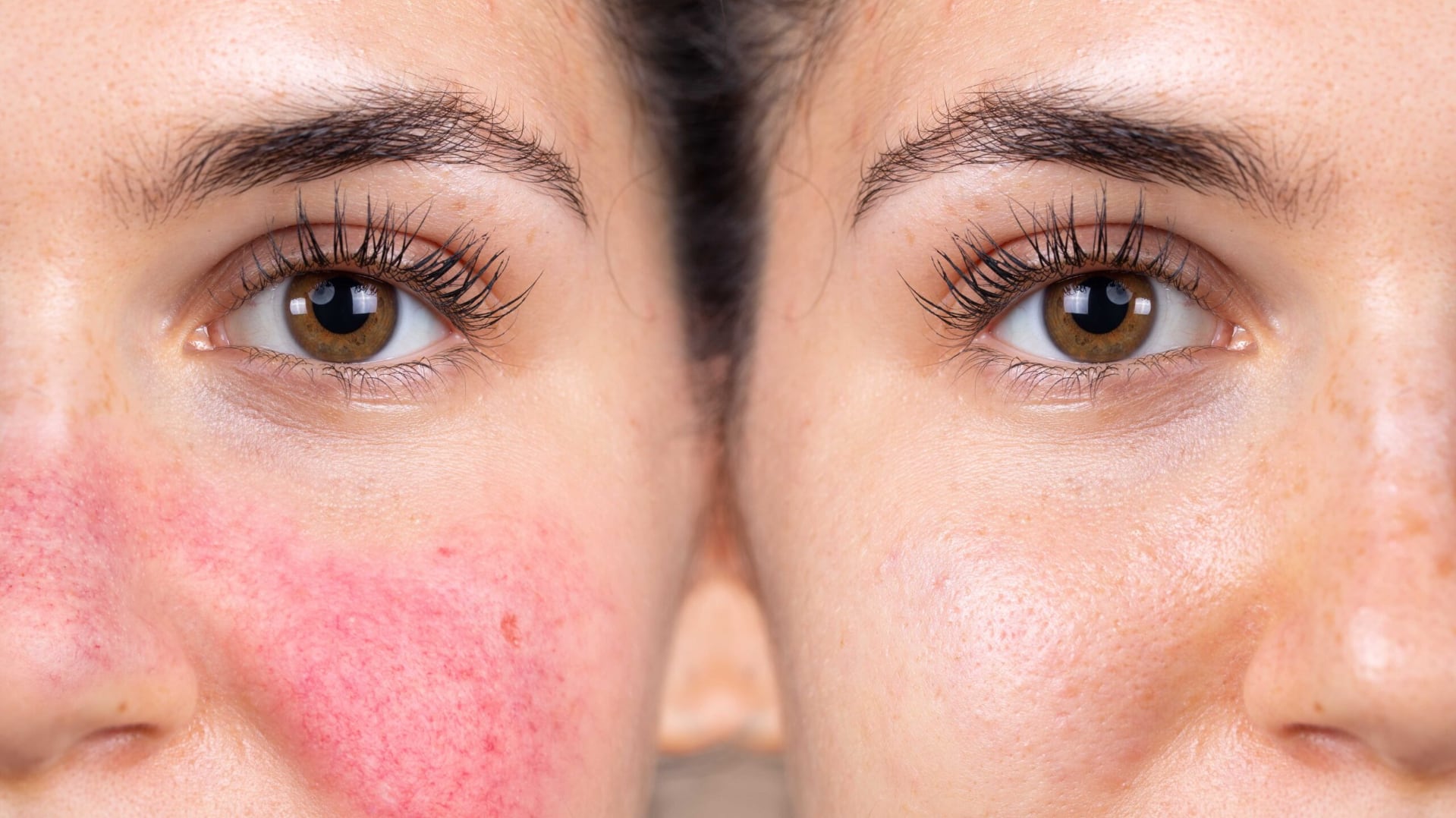
Rosacea is a chronic inflammatory skin condition affecting the central face — most commonly the cheeks, nose, chin, and forehead — and one of the most frequently encountered vascular skin problems in clinical practice. It presents characteristically as persistent background redness, visible capillaries, and in some subtypes, papules and pustules that may be mistaken for acne. Many patients also report functional symptoms: a sensation of burning, stinging, or flushing, particularly in response to known triggers.
Those triggers vary between individuals but commonly include heat, spicy food, alcohol, intense physical exertion, and emotional stress. Rosacea tends to be progressive if unmanaged — what begins as intermittent flushing can evolve into fixed redness and permanently visible vessels. Early and consistent management significantly improves the long-term trajectory, which is why patients are encouraged to seek assessment rather than waiting for symptoms to become more pronounced.
Broken Capillaries (Telangiectasia)
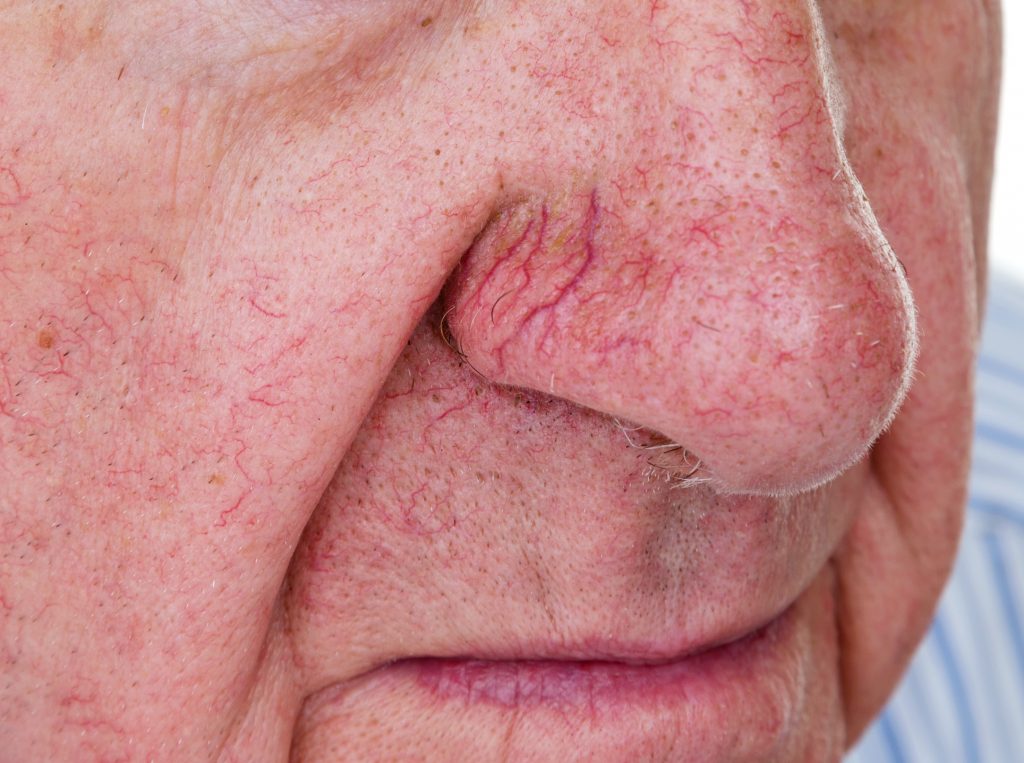
Telangiectasia refers to permanently dilated superficial blood vessels visible through the skin as fine red, pink, or purple threads, most commonly distributed across the nose, cheeks, and chin. They arise when the walls of small vessels lose their normal elasticity and become chronically dilated. Contributing factors include cumulative UV exposure, rosacea, ageing, a history of trauma or repeated skin irritation, and — particularly on the nose — habitual flushing or alcohol use. Once established, telangiectasia do not regress spontaneously; they require targeted treatment to be removed.
Poikiloderma of Civatte
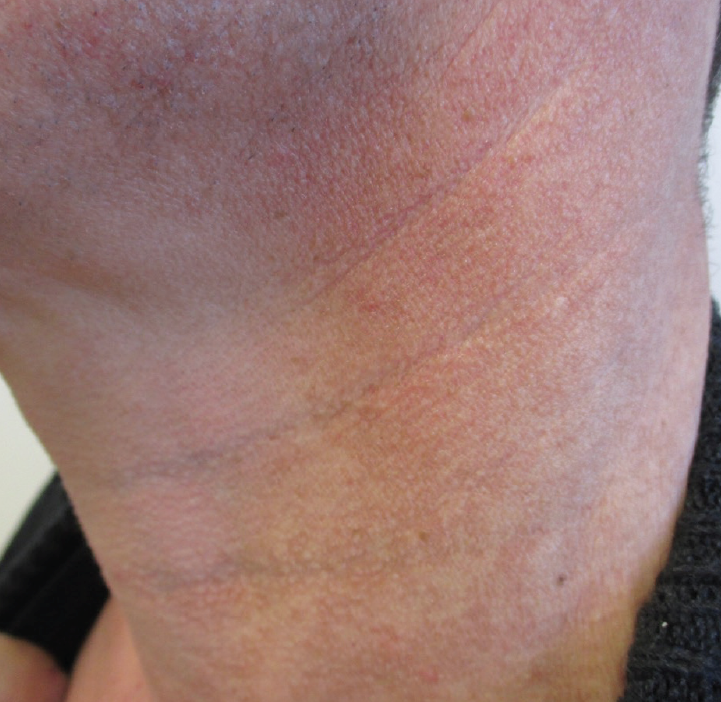
Poikiloderma of Civatte is a condition characterised by a distinctive combination of redness, brown pigmentation, and subtle skin thinning, producing a mottled or reticulated appearance most commonly affecting the sides of the neck and lower cheeks. It is caused by the cumulative effects of chronic sun exposure combined with some degree of age-related skin change, and it is more prevalent in fair-skinned individuals and those with a history of significant outdoor exposure. Despite its sometimes striking appearance, it is entirely benign and carries no malignant potential — though consistent sun protection is essential to prevent its progression.
Spider Angiomas
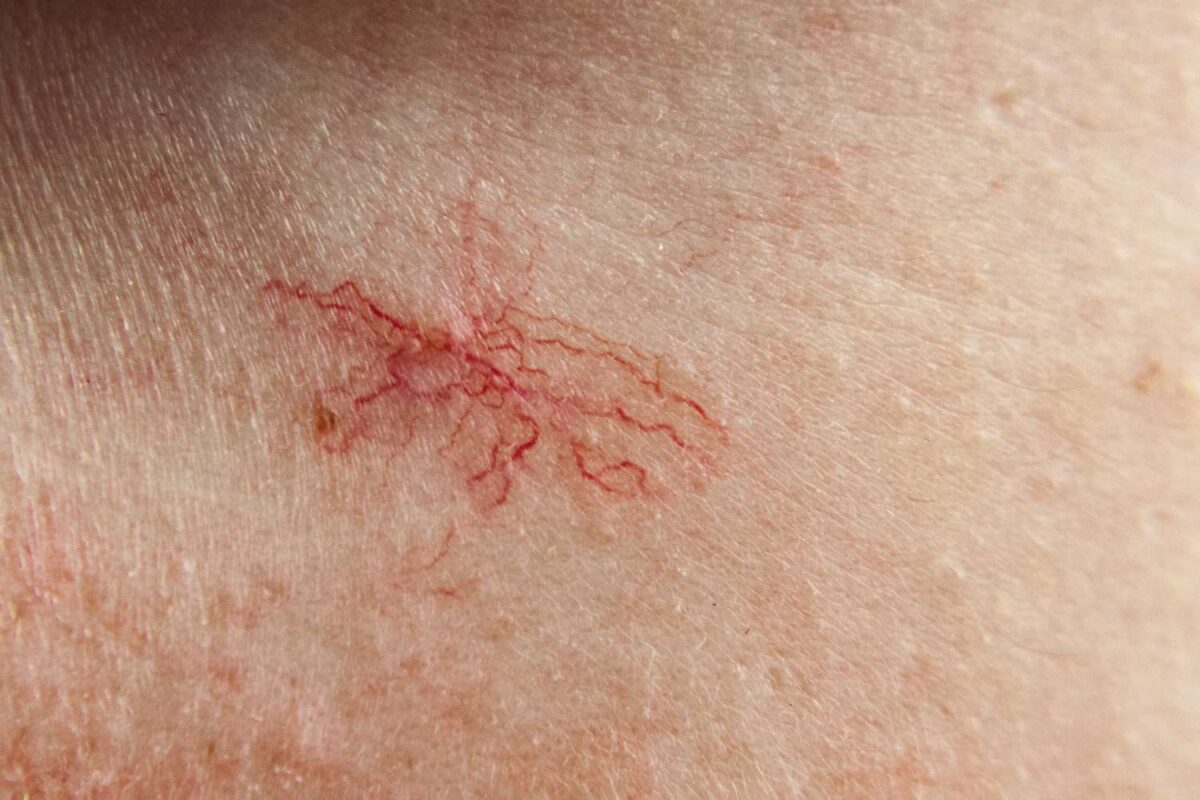
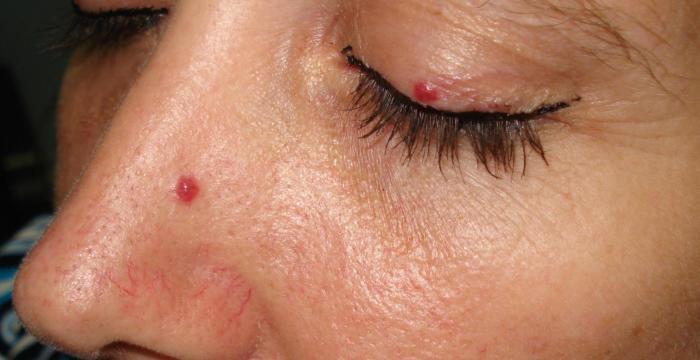
Spider angiomas are small vascular lesions consisting of a central arteriole from which fine vessels radiate outward in a pattern resembling a spider’s legs. They appear on the face and upper trunk and may arise spontaneously, in association with hormonal changes — pregnancy and oral contraceptive use are common contexts — or as a marker of significant liver disease when present in large numbers. A single or small number of spider angiomas in an otherwise healthy individual is almost invariably benign, though a sudden increase in their number warrants clinical assessment to exclude a systemic cause.
Haemangiomas
Haemangiomas are benign proliferations of blood vessels that present as soft, bright red or bluish growths on the skin. Infantile haemangiomas are the most common vascular tumour of childhood and typically resolve without intervention. In adults, small acquired haemangiomas — often called cherry angiomas — become increasingly common with age and are entirely benign. They require no medical treatment but can be safely removed for aesthetic reasons using laser or other minimally invasive approaches.
Why These Conditions Matter
Facial vascular conditions are benign in the great majority of cases, but their significance to the individuals who live with them extends well beyond the absence of medical risk. Visible and persistent facial redness or broken vessels are consistently associated with reduced self-confidence and, for some patients, meaningful psychological distress — a dimension of impact that deserves to be taken seriously rather than dismissed on the grounds that the condition is physically harmless.
Beyond the aesthetic dimension, some conditions carry functional consequences. Rosacea in particular causes real discomfort: the burning and stinging that accompany flare-ups can be disruptive to daily life, and the progressive nature of untreated disease means that early intervention is genuinely in the patient’s interest. Vascular changes also occasionally serve as a useful clinical signal: the sudden appearance of multiple spider angiomas, for example, is a known association with hepatic disease and warrants investigation. And for conditions such as rosacea, the trajectory of the disease is strongly influenced by the consistency of management — making informed engagement with treatment options a practical and meaningful investment.
Treatment Options
Lifestyle and Preventive Measures
Consistent sun protection is the single most impactful preventive and maintenance measure across virtually all facial vascular conditions. Daily broad-spectrum SPF — applied regardless of weather or season — slows the development of new telangiectasia, reduces rosacea flare-ups, and prevents the progression of poikiloderma. For rosacea in particular, identifying and limiting personal trigger factors — which may include alcohol, hot beverages, spicy food, extreme temperature exposure, and certain skincare ingredients — significantly reduces the frequency and severity of flare-ups. Gentle skincare habits matter too: harsh exfoliants, high-strength acids, and abrasive treatments exacerbate rather than improve vascular reactivity, and the simpler and more soothing the daily routine, generally the better.
Medical and Prescription Treatments
Topical prescription treatments are the first-line pharmacological approach for rosacea. Metronidazole and azelaic acid are the most widely used, both reducing the inflammatory component of the condition and, over time, the degree of persistent redness. Brimonidine and oxymetazoline are topical vasoconstrictors that produce a more immediate reduction in redness by constricting the dilated vessels, though their effect is temporary rather than structural. For moderate to severe rosacea with significant papulopustular involvement, oral antibiotics — typically doxycycline at sub-antimicrobial doses — or low-dose isotretinoin may be prescribed under dermatological supervision. These systemic treatments address the inflammatory dimension of the disease and are often used in conjunction with laser therapy for optimal results.
Laser and Light-Based Treatments
Laser and intense pulsed light (IPL) therapies represent the most effective interventional options for the vascular component of these conditions — that is, for the visible vessels themselves rather than the inflammatory processes that may drive them. They operate on the principle of selective photothermolysis: light energy is absorbed by oxyhaemoglobin in the blood vessel, converted to heat, and used to coagulate and collapse the vessel wall, after which the body gradually reabsorbs the treated structure. The choice of laser platform matters considerably, as different wavelengths target vessels of different depths and sizes with different degrees of selectivity.
The Nd:YAG Laser: A Closer Look
The long-pulsed Nd:YAG laser, operating at a wavelength of 1064 nm, is particularly well suited to facial vascular treatment and is among the most versatile platforms in this field. At 1064 nm, the wavelength penetrates more deeply into the dermis than shorter-wavelength vascular lasers, reaching vessels that lie beneath the range of superficial light-based devices. This makes it especially effective for larger and more deeply situated blood vessels — the kind that contribute to persistent redness on the cheeks or to resistant cases of telangiectasia — and for the vascular component of poikiloderma and spider angiomas.
The mechanism is selective absorption by oxyhaemoglobin: the laser’s energy is preferentially absorbed by the red pigment within blood vessels, generating sufficient heat to coagulate and close the vessel wall without meaningfully heating the surrounding tissue when appropriate parameters are used. Most Nd:YAG systems incorporate integrated cooling — cryogen spray, chilled sapphire tips, or contact cooling — which protects the skin surface, reduces the risk of epidermal injury, and markedly improves patient comfort during treatment.
A meaningful practical advantage of the 1064 nm wavelength is its relative safety across a range of skin tones. Shorter-wavelength vascular lasers carry a higher risk of epidermal melanin absorption, which creates a greater potential for surface heating, burns, and post-inflammatory pigmentation changes in darker complexions. The Nd:YAG’s deeper penetration and lower melanin affinity at the surface make it the preferred platform for patients with medium to deep skin tones, where the selection of an appropriate device is a genuine safety consideration rather than a stylistic preference.
Laser Comparison at a Glance
| Laser Platform | Wavelength | Best Suited To | Skin Tone Considerations |
| Pulsed Dye Laser (PDL) | 595 nm | Superficial redness, fine vessels, early rosacea | Best on lighter skin tones; higher surface absorption on darker skin |
| KTP Laser | 532 nm | Very fine, superficial vessels close to skin surface | Limited to light skin tones |
| Nd:YAG Laser | 1064 nm | Larger, deeper, or resistant vessels; all conditions described above | Safest across the broadest range of skin tones |
| Intense Pulsed Light (IPL) | Broad spectrum (filtered) | Diffuse redness, rosacea, mild telangiectasia | Less suitable for darker skin tones |
In practice, an experienced clinician may combine platforms within a treatment course to address both superficial and deeper vascular components — a strategy that often produces superior results to any single device used in isolation.
What to Expect During Treatment
A standard Nd:YAG vascular session lasts between 15 and 45 minutes, depending on the area being treated and the density of vessels present. The sensation is typically described as a warm snap or brief sting with each pulse — perceptible but generally well tolerated, particularly with the cooling system active. Topical anaesthetic cream may be applied for more sensitive areas or at patient request.
Immediately following treatment, the area will appear mildly red and may show some localised swelling; in some cases, vessels may appear temporarily darker before they begin to fade. These responses are expected and indicate that the treatment is working. Mild redness and swelling typically resolve within one to three days, and make-up may generally be applied the following day. Noticeable improvement is often visible after a single session, though the full course — typically two to four treatments spaced four to six weeks apart — produces the most durable results. Temporary hyperpigmentation, bruising, or, rarely, blistering may occur if settings are not appropriately calibrated; this is why treatment must be performed by a qualified and experienced clinician.
When to Seek Professional Advice
A consultation with a qualified dermatologist or aesthetic clinician is worthwhile for anyone who notices persistent or worsening facial redness, new or multiplying vascular lesions, flare-ups that are causing discomfort or affecting daily life, or who wishes to explore the treatment options available to them. The following specific presentations warrant more prompt assessment:
- Multiple spider angiomas appearing suddenly, which may indicate an underlying systemic condition
- Redness or swelling that is progressing rapidly or accompanied by thickening of the skin
- Any vascular lesion that bleeds easily, changes in character, or causes persistent discomfort
- Concerns about a lesion that is atypical in appearance or behaviour
Frequently Asked Questions
Are broken capillaries permanent?
Once capillaries are visibly dilated or broken, they will not resolve on their own — the structural change that makes them visible is not reversible through lifestyle measures alone. They can, however, be effectively and reliably treated with laser or light-based therapies, which collapse the vessel wall and allow the body to reabsorb it over the following weeks. Most patients see clear improvement after one to two sessions, with complete treatment usually requiring two to four.
Is rosacea contagious or caused by poor hygiene?
No, on both counts. Rosacea is a chronic inflammatory condition influenced by genetic predisposition, immune system reactivity, and environmental triggers. It is not caused by bacteria, viruses, or hygiene practices, and it cannot be transmitted from person to person. This is a common misconception that sometimes prevents patients from seeking treatment, and it is worth dispelling clearly. Rosacea is a medical condition, not a reflection of lifestyle or skincare habits.
Does poikiloderma of Civatte mean something serious is wrong?
No. Poikiloderma of Civatte is a benign condition caused by the cumulative effects of sun exposure on the skin over time. It is not precancerous, not associated with malignancy, and not a sign of systemic disease. Its appearance can be quite striking — the mottled mix of redness, pigmentation, and skin thinning is sometimes alarming to patients who encounter it unexpectedly — but the condition is entirely benign. Consistent sun protection prevents progression, and laser treatment can produce significant improvement in its appearance.
Can lifestyle changes genuinely reduce facial redness?
Yes, meaningfully so for conditions such as rosacea. Identifying and consistently avoiding personal trigger factors — which may include alcohol, hot beverages, spicy food, intense heat or cold, and certain skincare products — can substantially reduce the frequency and intensity of flare-ups. Daily SPF is the single most impactful measure for both prevention and maintenance. Lifestyle management does not eliminate the underlying condition, but it is an important and effective component of long-term control alongside clinical treatment.
Are spider angiomas cause for concern?
A small number of spider angiomas — particularly in women during pregnancy or those taking hormonal contraception — is common and entirely benign. If a significant number appear suddenly in an individual with no obvious hormonal explanation, it is sensible to have them assessed, as multiple spider angiomas can occasionally be associated with liver disease. In the vast majority of cases, however, they are of cosmetic significance only and can be treated straightforwardly with laser therapy.
How many laser sessions will I need?
This depends on the condition being treated, the size and depth of the vessels, and the individual’s skin response. For telangiectasia and spider angiomas, many patients achieve satisfactory results in one to two sessions. For rosacea and poikiloderma, where the vascular component is more diffuse, two to four sessions spaced four to six weeks apart is a more typical course. A clinician will provide a more specific estimate at consultation following a skin assessment.
Is the treatment safe for darker skin tones?
Yes, when the appropriate device is used. The Nd:YAG laser at 1064 nm has a lower affinity for surface melanin than shorter-wavelength alternatives, making it the safest and most appropriate vascular laser platform for medium to deep skin tones. Settings must always be calibrated by an experienced clinician who understands the specific risks and parameters relevant to the individual’s Fitzpatrick skin type. With appropriate technique, excellent results are achievable across the full range of skin tones.
Are the results of laser treatment permanent?
Treated vessels are permanently collapsed and reabsorbed by the body; they do not regenerate. However, the underlying predisposition to vascular changes — whether driven by genetics, rosacea, sun exposure, or ageing — remains, and new vessels can form over time. For this reason, maintenance sessions at intervals are often advisable, and consistent sun protection is essential to slow the development of new vascular changes. The realistic expectation is significant and durable improvement rather than absolute and permanent resolution.
In Summary
Facial vascular conditions — rosacea, telangiectasia, poikiloderma of Civatte, spider angiomas, and haemangiomas — are common, diverse in their presentations, and almost invariably manageable. Modern dermatology and aesthetic medicine offer a well-evidenced range of options, from consistent preventive care and topical treatments to highly effective laser therapies that can produce lasting improvement in both appearance and comfort. Understanding the nature of the condition, the rationale for treatment, and what to realistically expect from the process is the foundation for a good clinical outcome.
A consultation with a qualified clinician provides the skin assessment, accurate diagnosis, and individually tailored treatment plan that translate that understanding into genuinely better skin.
References
Taub AF. Laser treatment of vascular lesions. Facial Plast Surg Clin North Am. 2011;19(2):335–351.
Alexiades-Armenakas M. Long-pulsed Nd:YAG laser treatment of facial and leg telangiectasias. J Drugs Dermatol. 2003;2(4):401–406.
Babilas P, Schreml S, Szeimies RM, Landthaler M. Split-face comparison of pulsed dye laser and long-pulsed Nd:YAG laser in the treatment of facial telangiectasia. Lasers Surg Med. 2007;39(9):741–745.
Raulin C, Greve B. Nd:YAG laser in dermatology: basic principles and clinical applications. Lasers Med Sci. 2004;19(2):83–89.
Seckin D, Durusoy C, Sahin S. Efficacy of Nd:YAG laser in the treatment of facial telangiectasia. Dermatol Surg. 2006;32(5):681–686.
Tan SR, Tope WD. Pulsed dye laser treatment of rosacea improves erythema, symptomatology, and quality of life. J Am Acad Dermatol. 2004;51(4):592–599.
Wilkin J, Dahl M, Detmar M, et al. Standard classification of rosacea: report of the National Rosacea Society Expert Committee on the classification and staging of rosacea. J Am Acad Dermatol. 2002;46(4):584–587.
Goldman MP. Treatment of benign vascular lesions with the Photoderm VL high-intensity pulsed light source. Adv Dermatol. 1997;13:503–521.
Tierney E, Hanke CW. Recent advances in combination treatments for photoaging: review of the literature. Dermatol Surg. 2010;36(6):829–840.
Anderson RR, Parrish JA. Selective photothermolysis: precise microsurgery by selective absorption of pulsed radiation. Science. 1983;220(4596):524–527.